Dear friend,
If you've been following the field of self-driving cars lately, you probably noticed a "shift" in the algorithms being used... Indeed, most of the engineers were focused on topics like Perception, Localization, Planning, Control, V2V, and others...
And just a few years later, it seems like...
Everybody has suddenly shifted towards End-To-End!
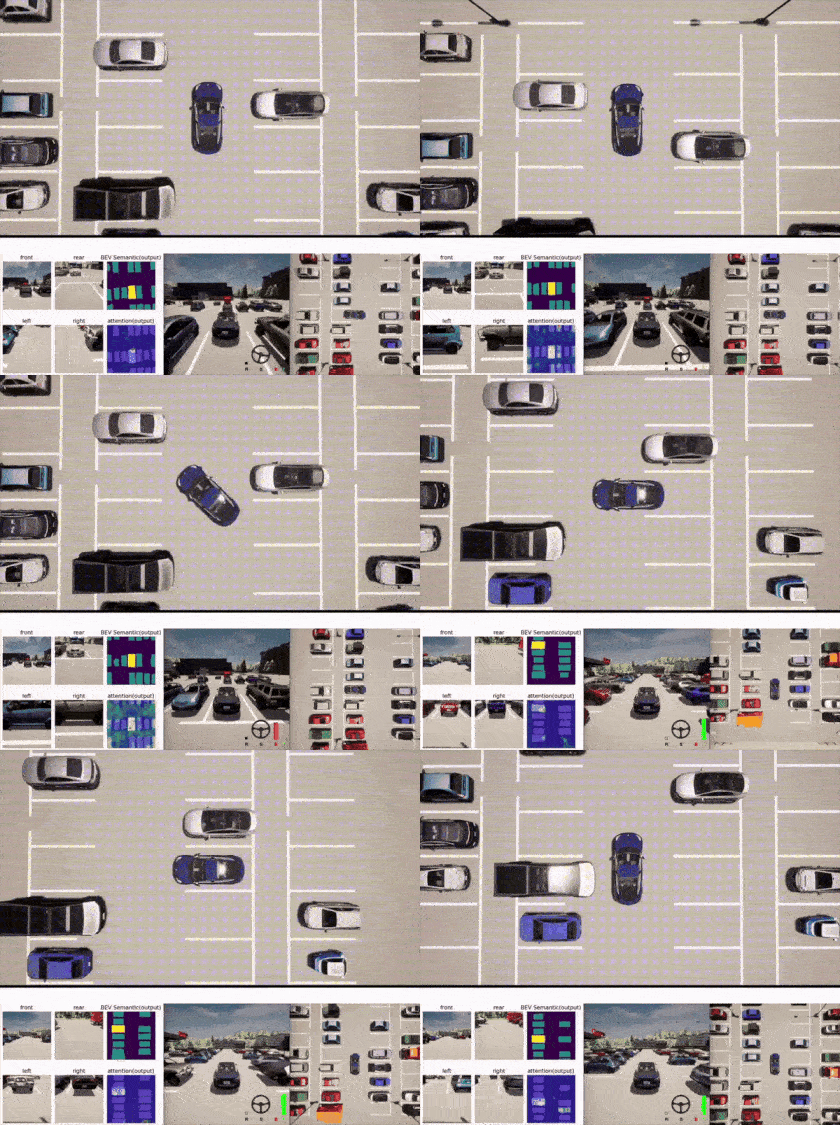
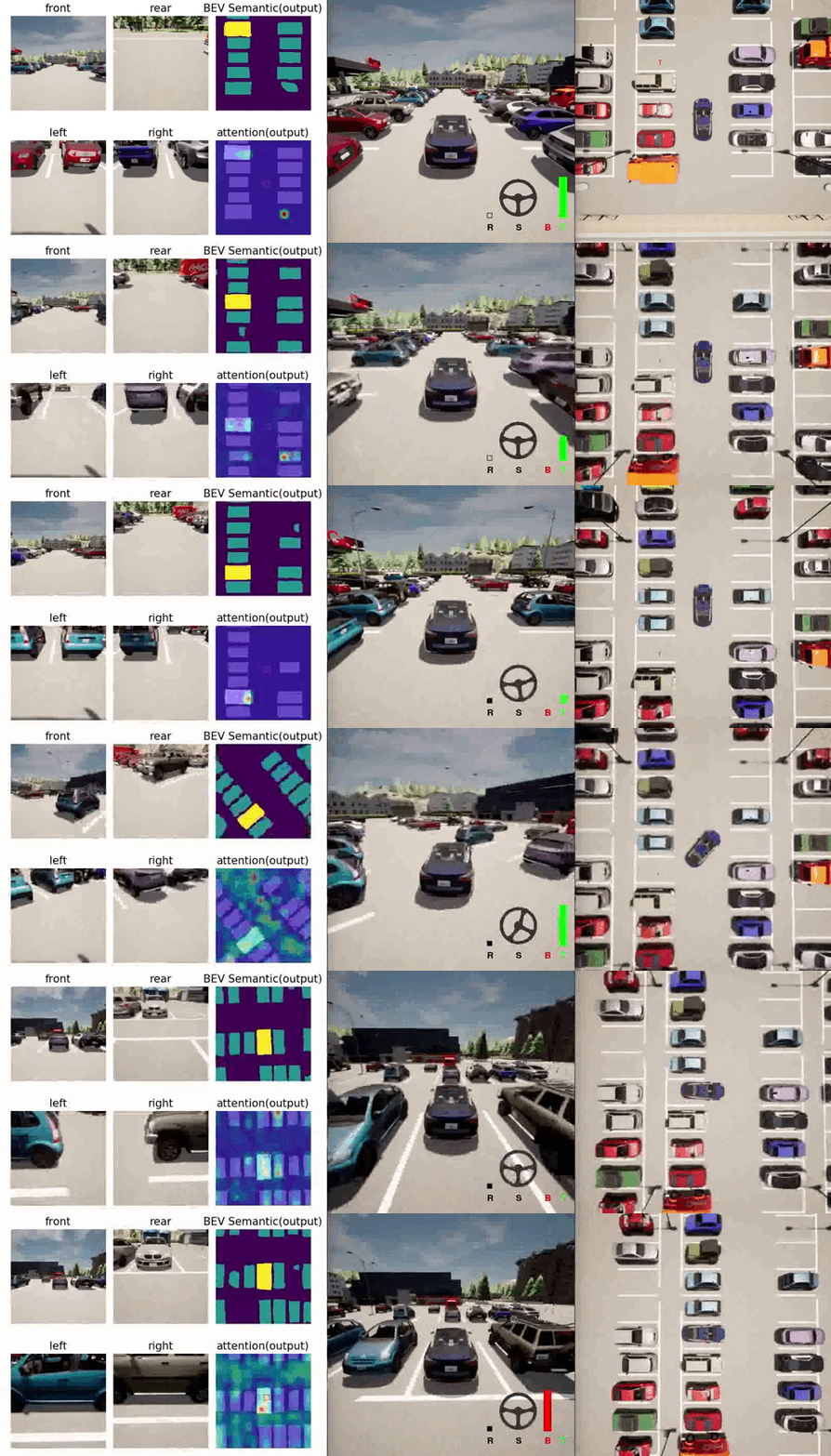
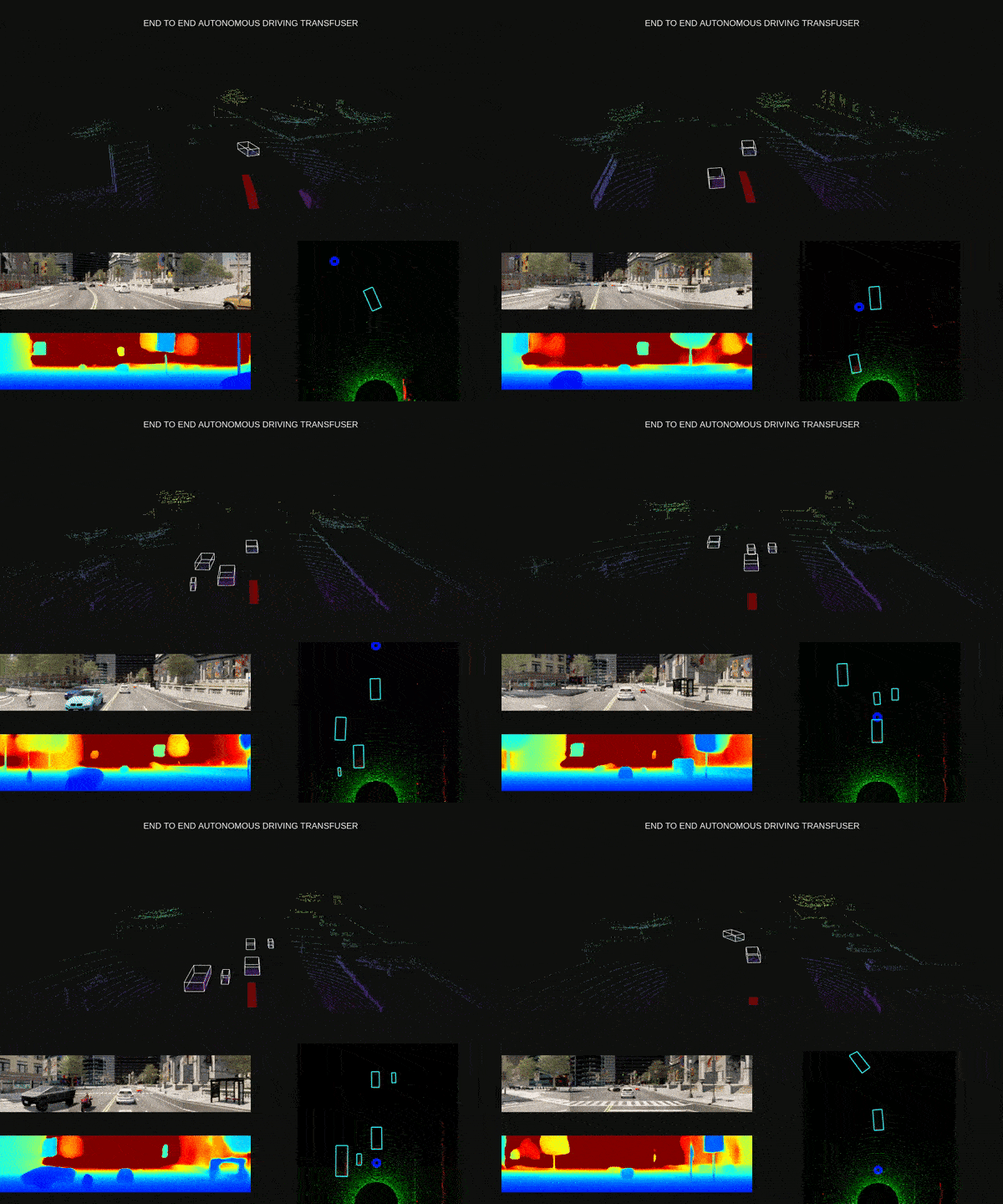
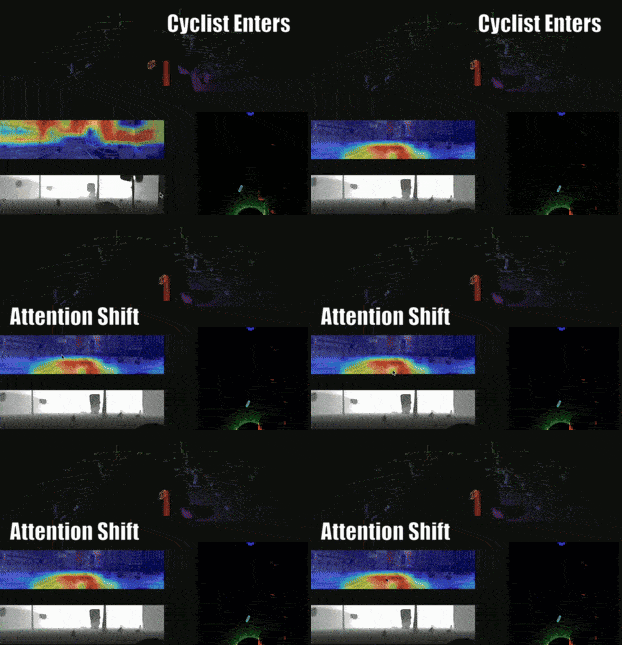
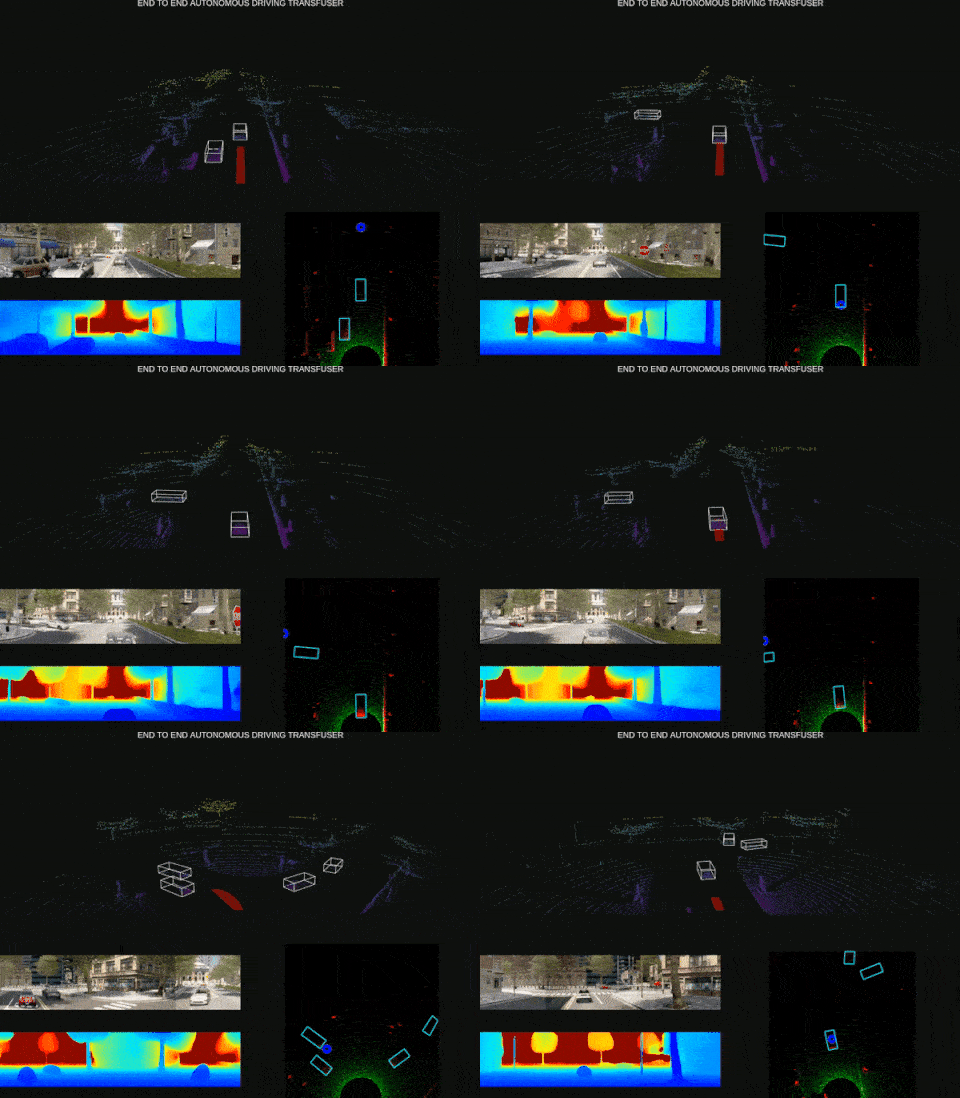
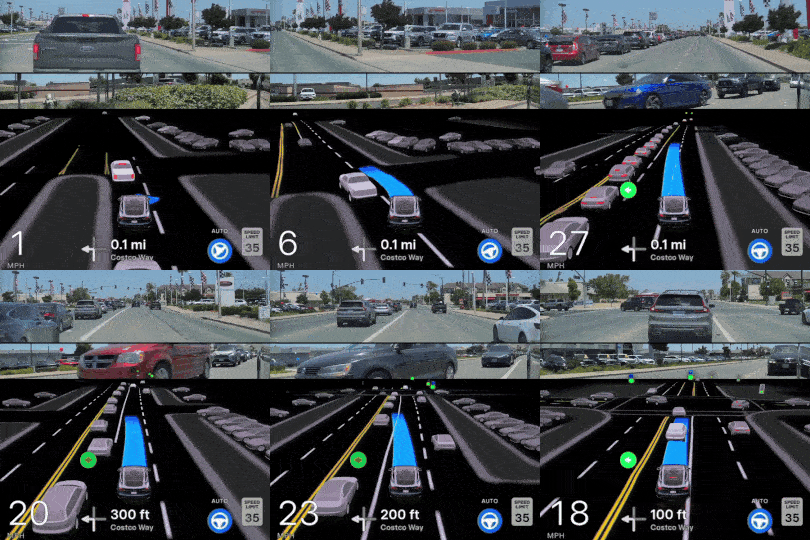
I mean, look at these recent videos from the biggest self-driving car companies:
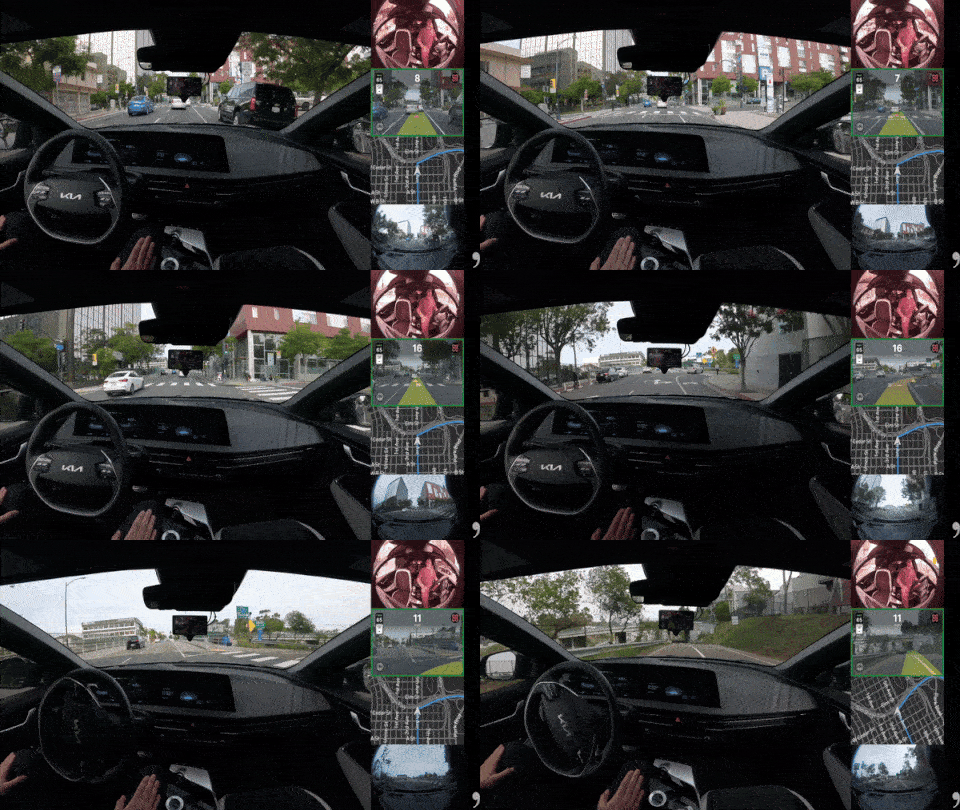
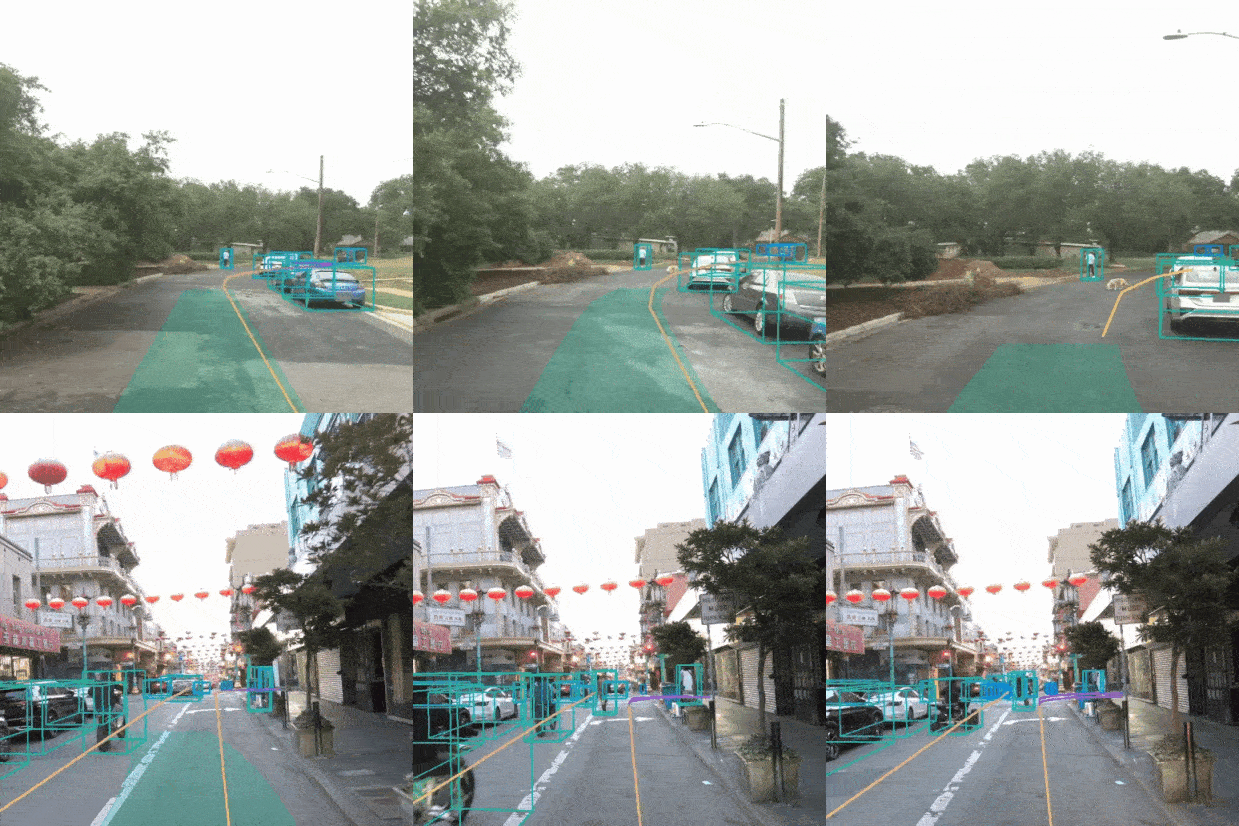
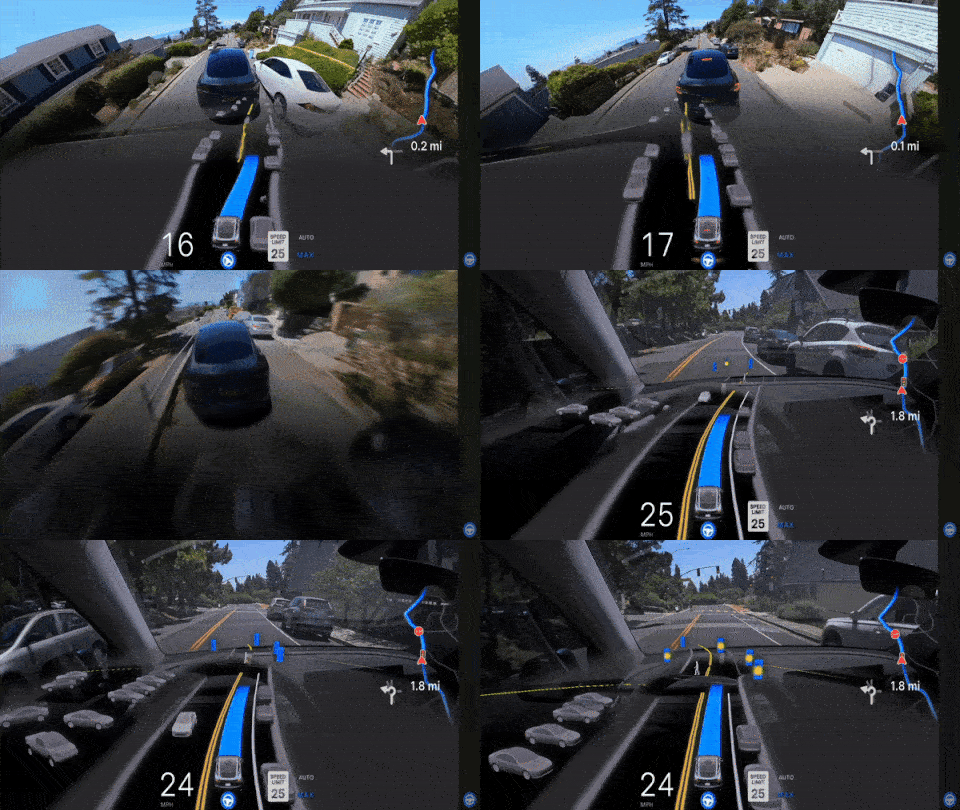
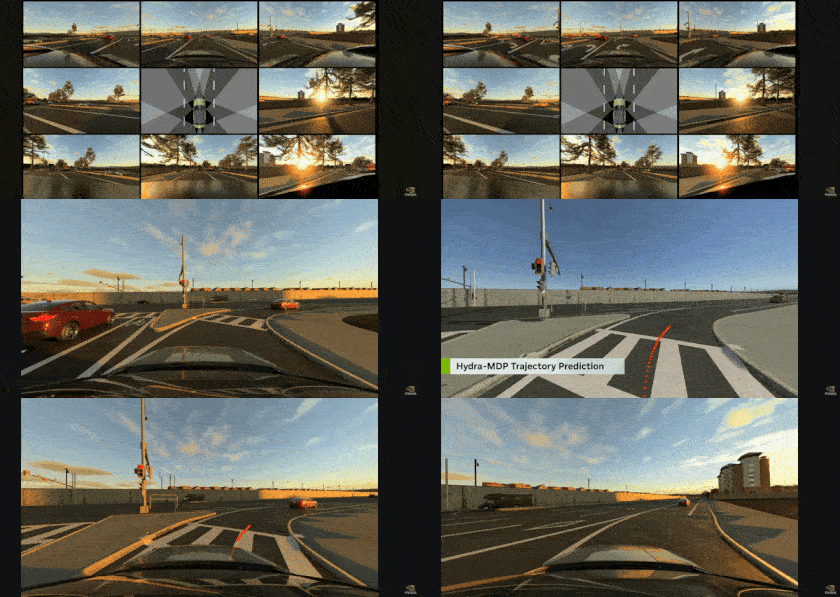
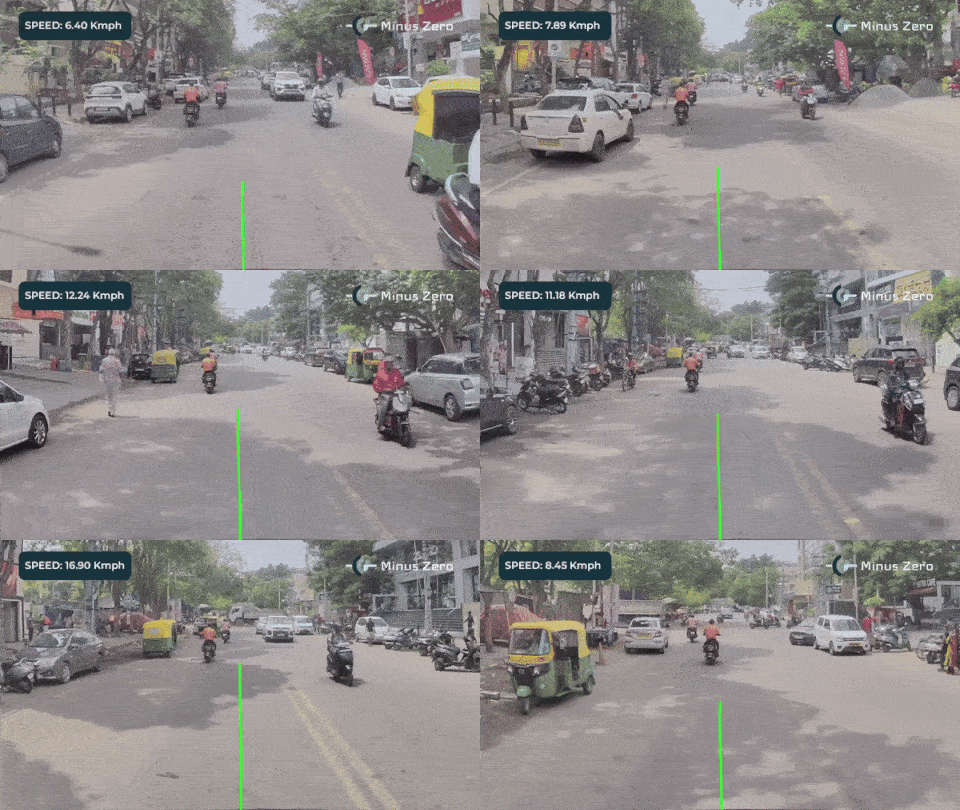
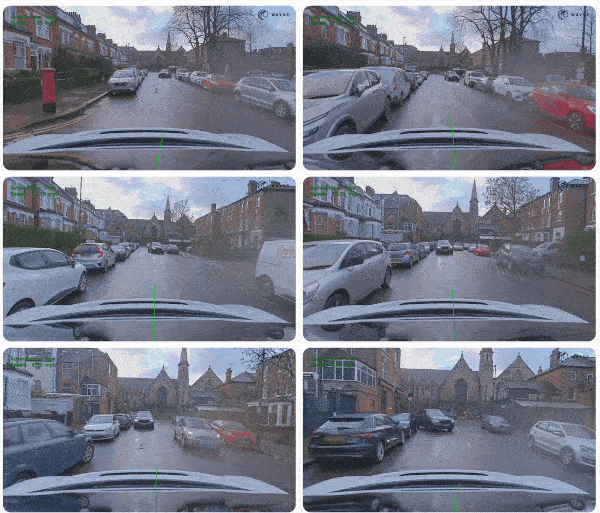
Not only every big player is on End-To-End, but even 'Legacy' carmakers are
Let me tell you a quick story:
Last year, I was preparing a Deep Learning SOTA 2024 webinar, and I was going to hold it live with the Autonomous Driving team of a big carmaker. 400+ self-driving car engineers came to the webinar, and during 50 minutes, I presented how Deep Learning was used in the 4 pillars of autonomous driving: Perception, Localization, Planning, and Control.
Came the Q&A, and I was expecting a few questions about Deep Learning vs Traditional approaches, or what is the best model for a specific task, but it turned out that...
Almost every single question was about End-To-End Learning!
It felt crazy. My presentation only had 2 or 3 slides on it, and yet, I was overwhelmed with questions on End-To-End Parking, Visualizing the inside of E2E models, passing ISO norms with End-To-End, handling misrepresented events and edge cases, scaling to new cities, and more...
What started as a "Modular Deep Learning in Self-Driving Cars" conference ended being an End-To-End seminar!
And it wasn't just this one time.
Over the next months, I kept meeting companies, and the bigger the company, the more likely they'd have questions on End-To-End Learning. Self-Driving Car companies wanted to know more about End-To-End. For some, they HAD to, because catching up on Tesla, and being able to "judge" was a matter of survival.
It's the same for engineers:
Have you looked at job offers lately? How often do you see words like "End-To-End", or "Foundational Model", or "Imitation Learning" today versus 3 years ago?
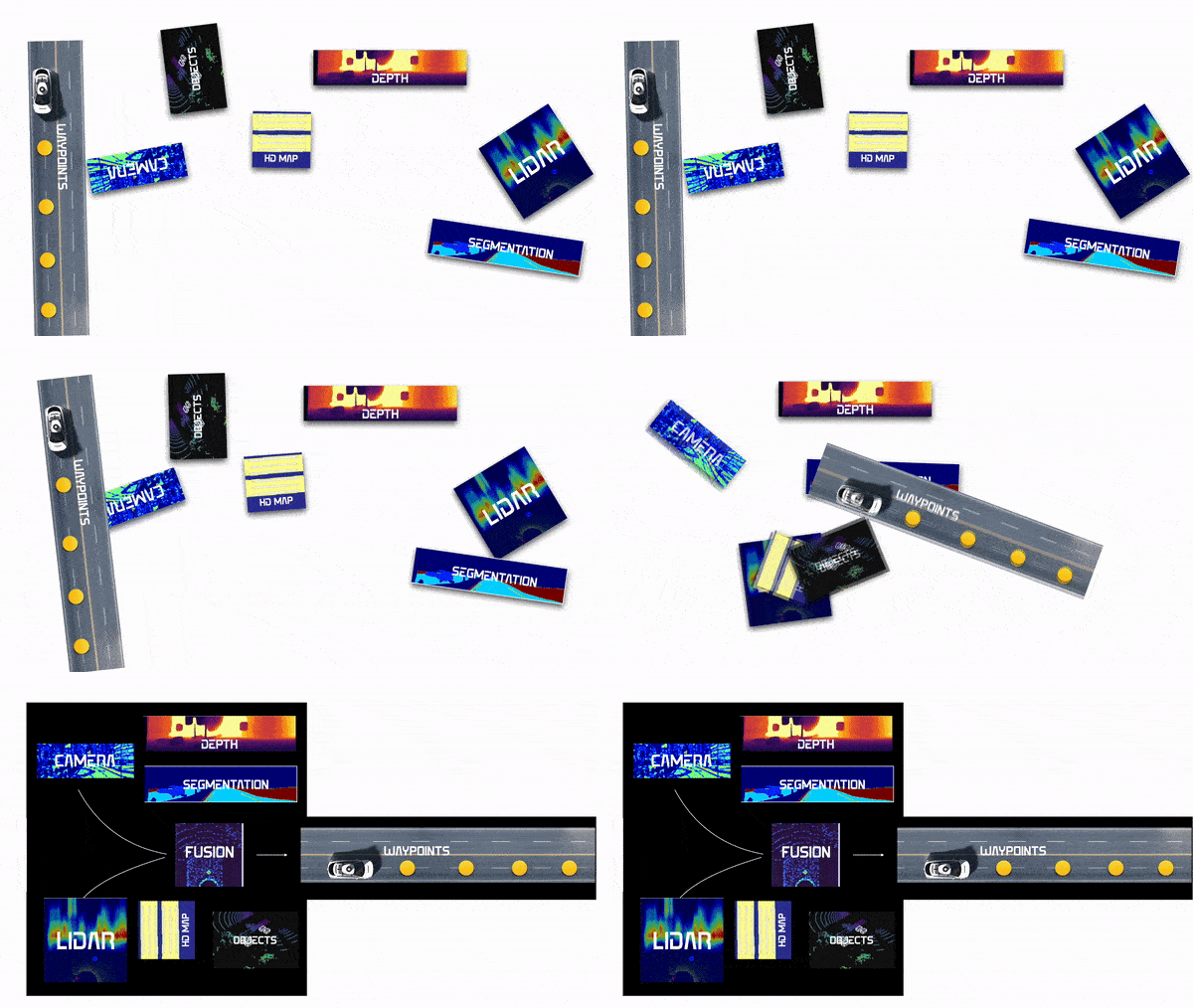
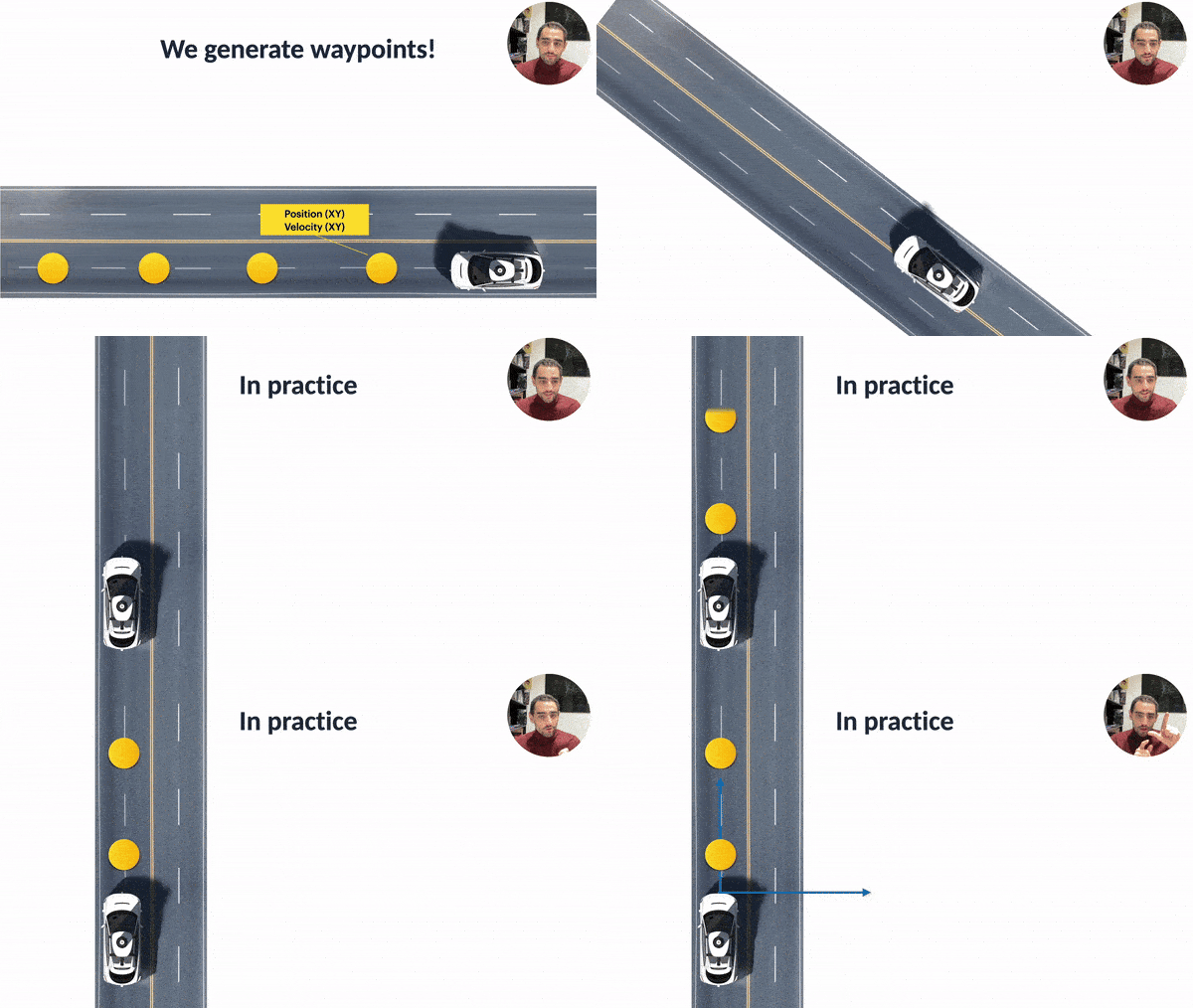
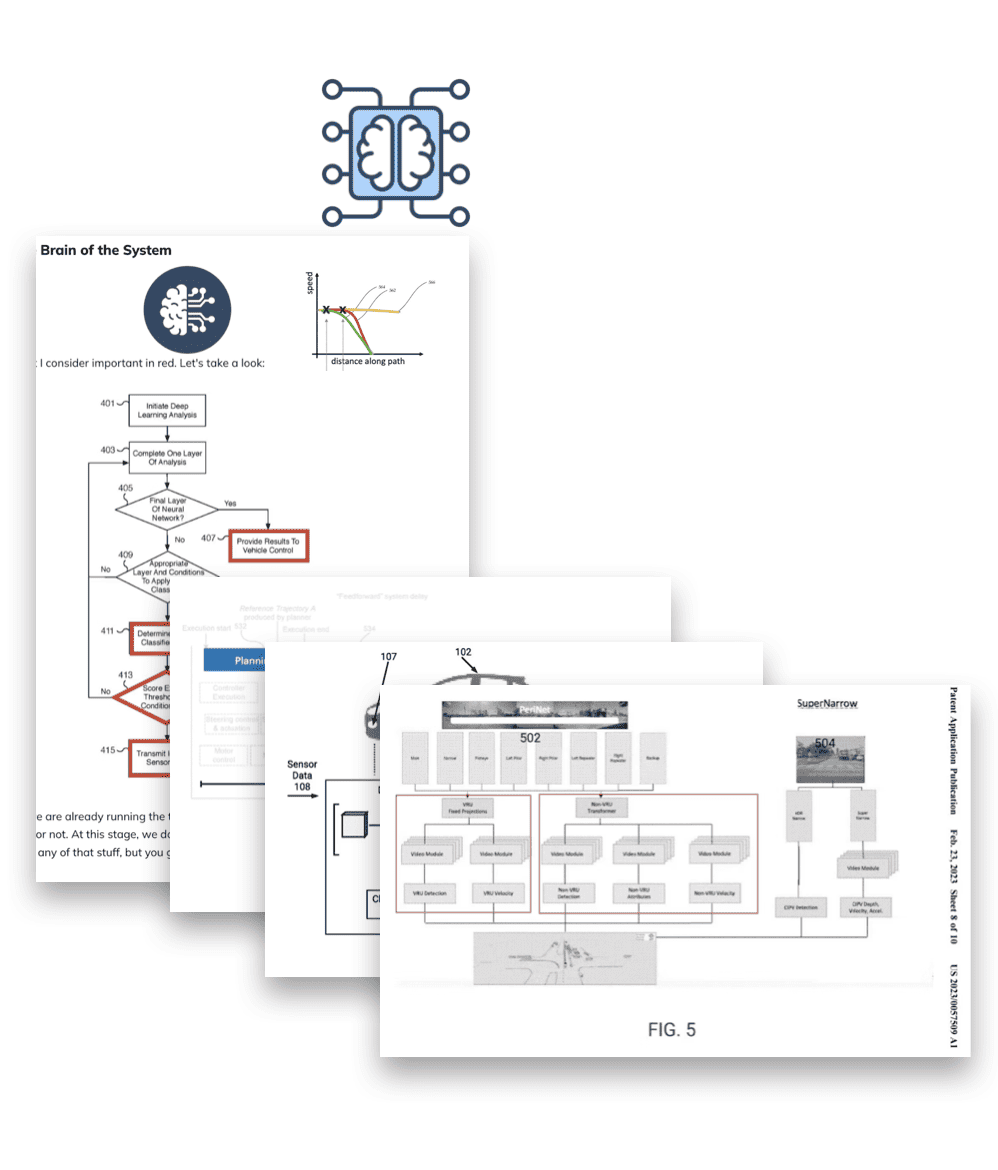
Things are shifting to what british autonomous startup Wayve calls "AV 2.0", which can be visualized like this
This is what has been going on... Now comes a question:
How can you catch up on End-To-End now, with all these other things you have to do?
What is there to learn? How long is this going to take? Which papers do you have to read? And what would be the outcome? Some partial knowledge of some bricks here and there?
Things are moving really fast, and if you're ever asked to "catch up on End-To-End", chances are you'll only get a few bricks of knowledge here and there, but might never know enough to feel confident when making a decision related to it.
The last thing we want is to be that investor who isn't able to tell whether a startup has a BS product or genius product. In both cases, stakes are high.
It's the same thing for End-To-End, you have to learn enough to be able to develop some "judgment" about it. Because unlike what this course might seem like...
I don't necessarily recommend going full "End-to-End"!
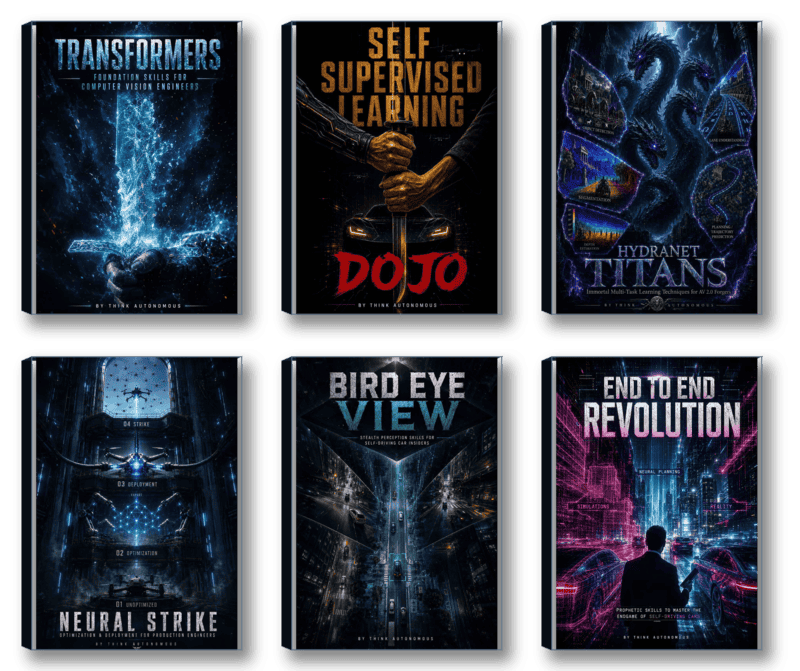
For many companies, it makes absolute zero sense. But for others, it makes TONS of sense. However, I would recommend EVERYONE to take a close look at it, before either learning it, or disregarding it... and this is why I'm introducing...