Learn Image Segmentation through the blocks every modern architecture is made of
If every new Deep Learning architecture feels like starting over, and you want segmentation skills you can reuse in many fields, read on.
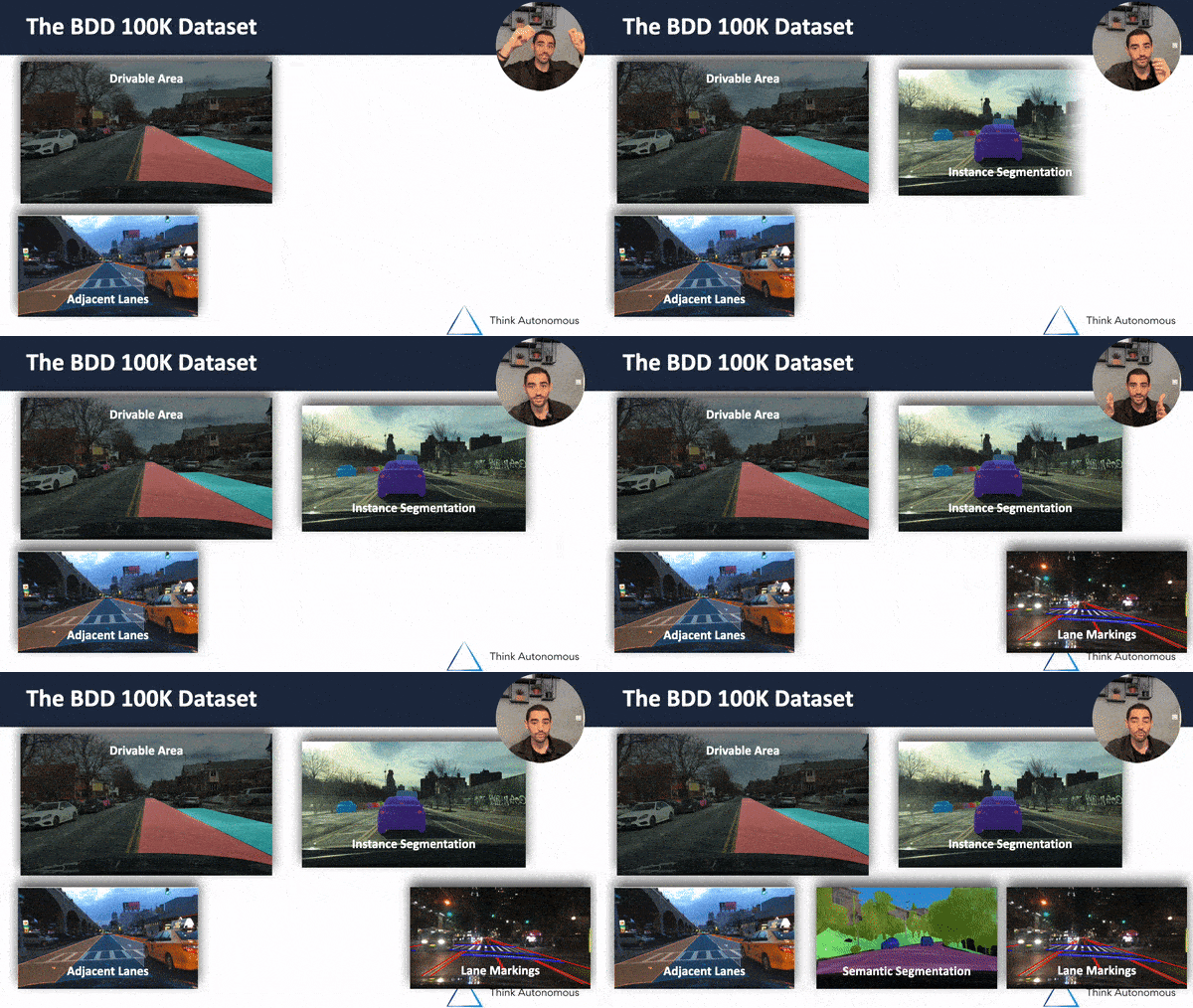
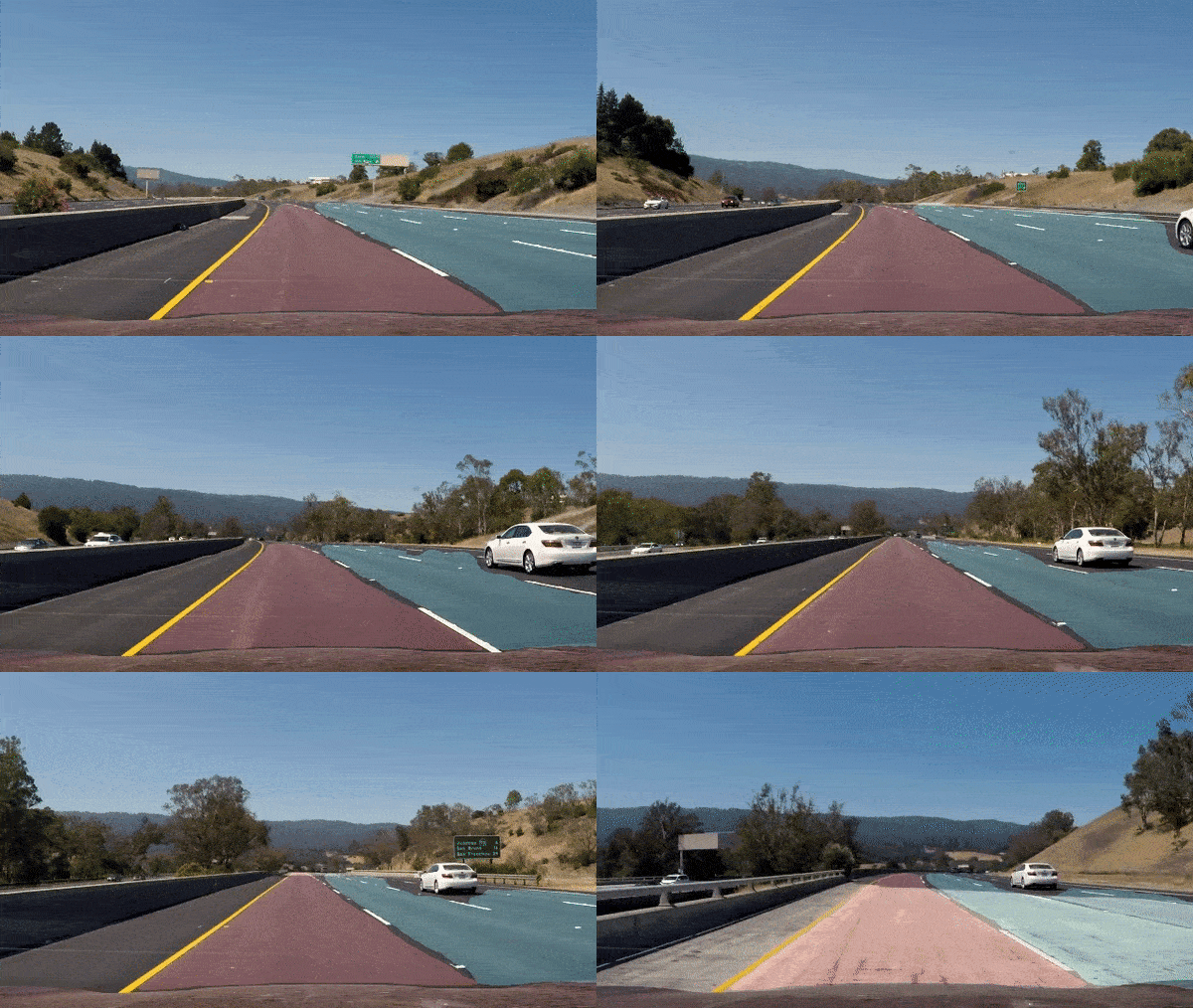
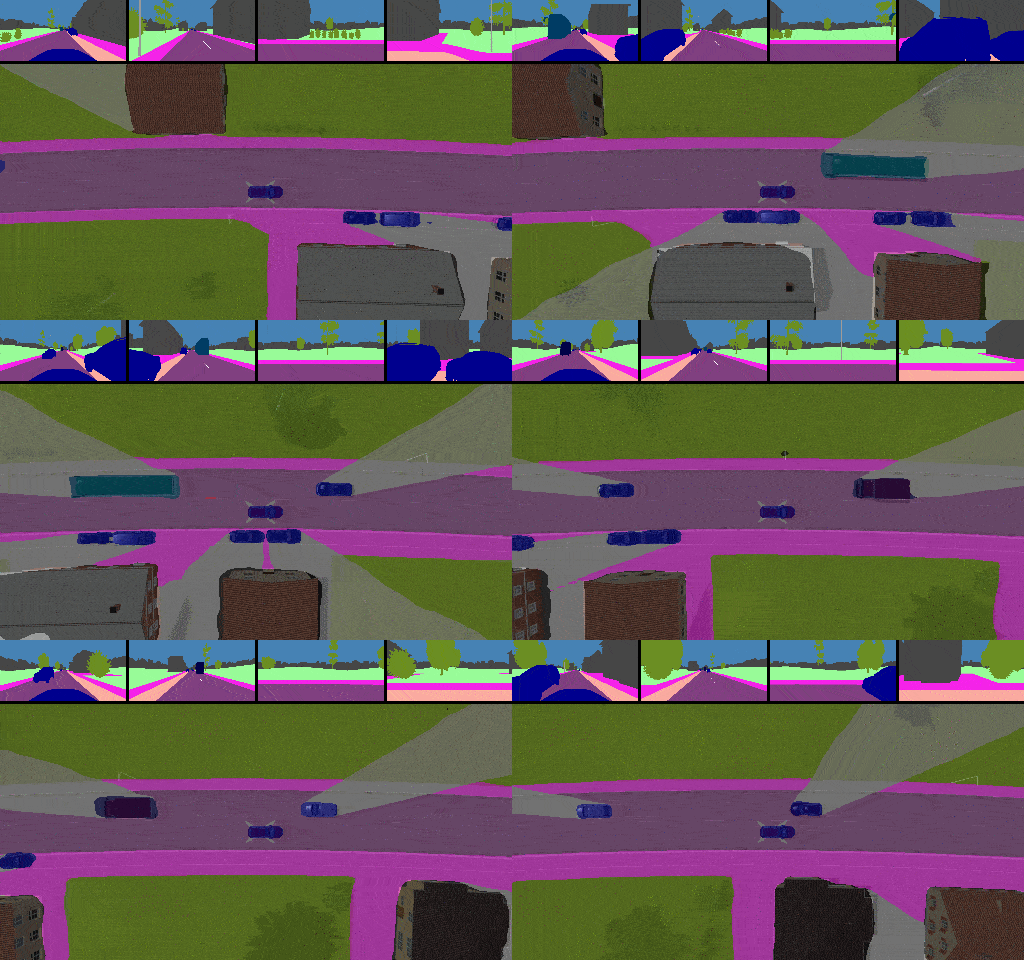
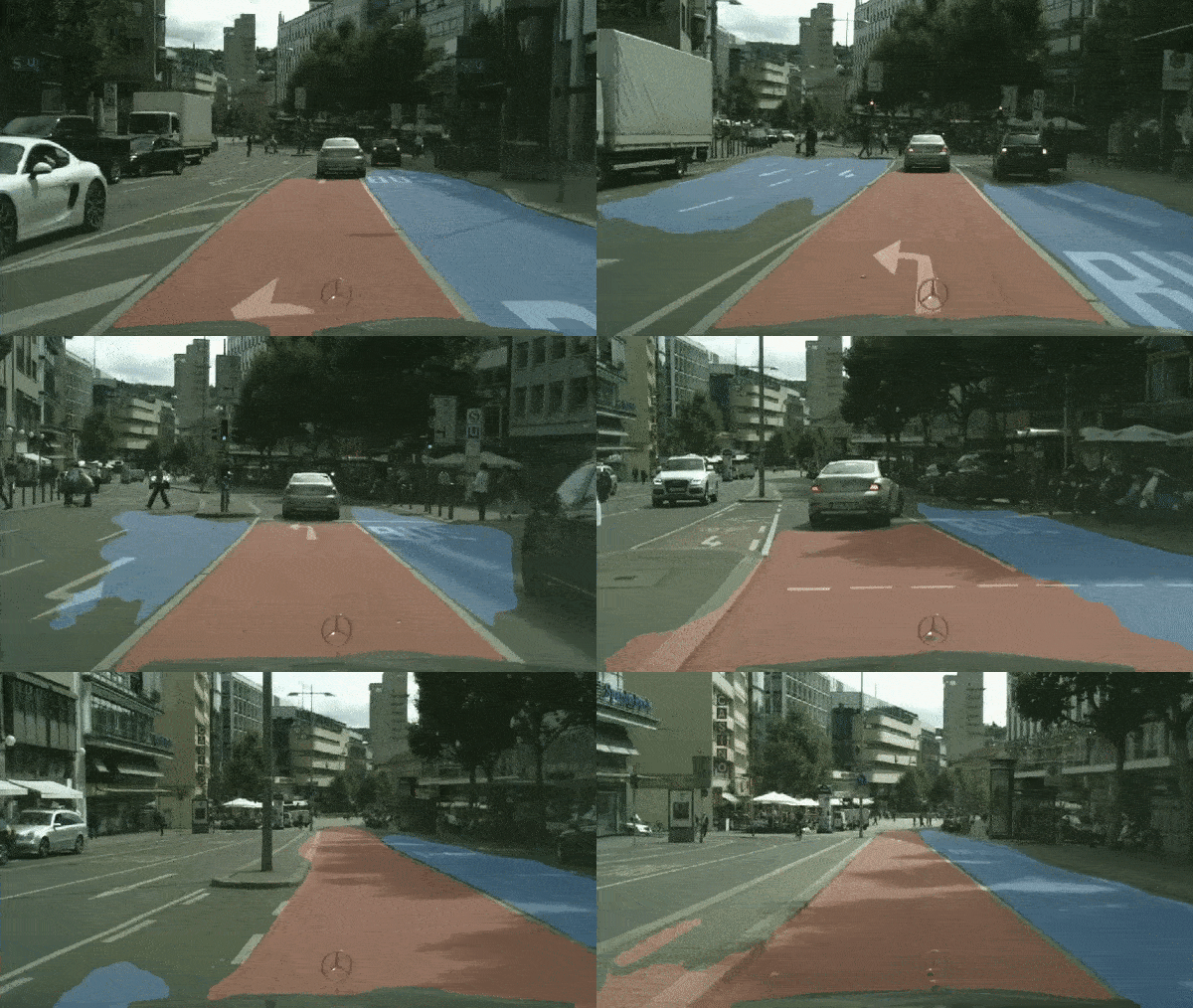
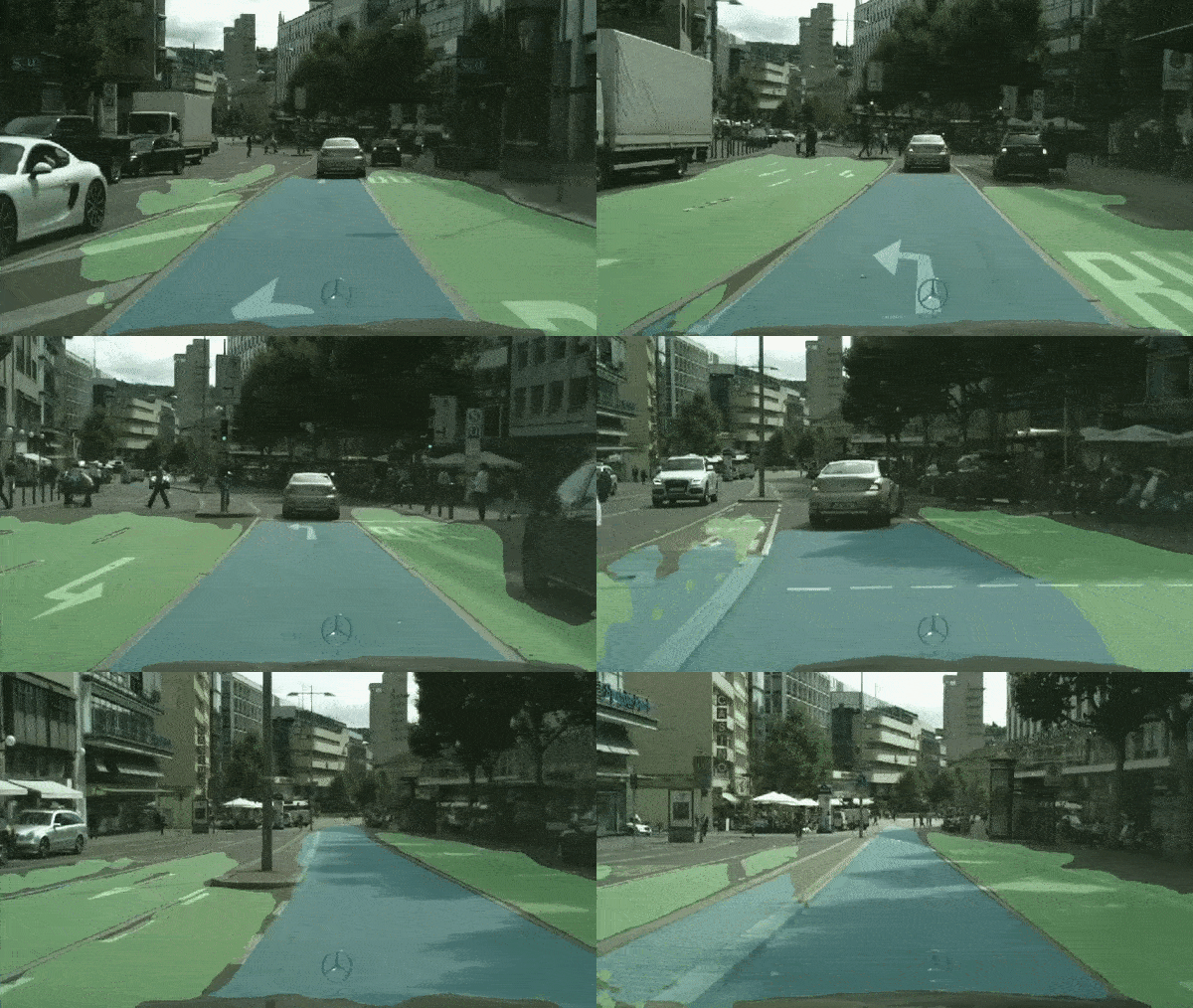
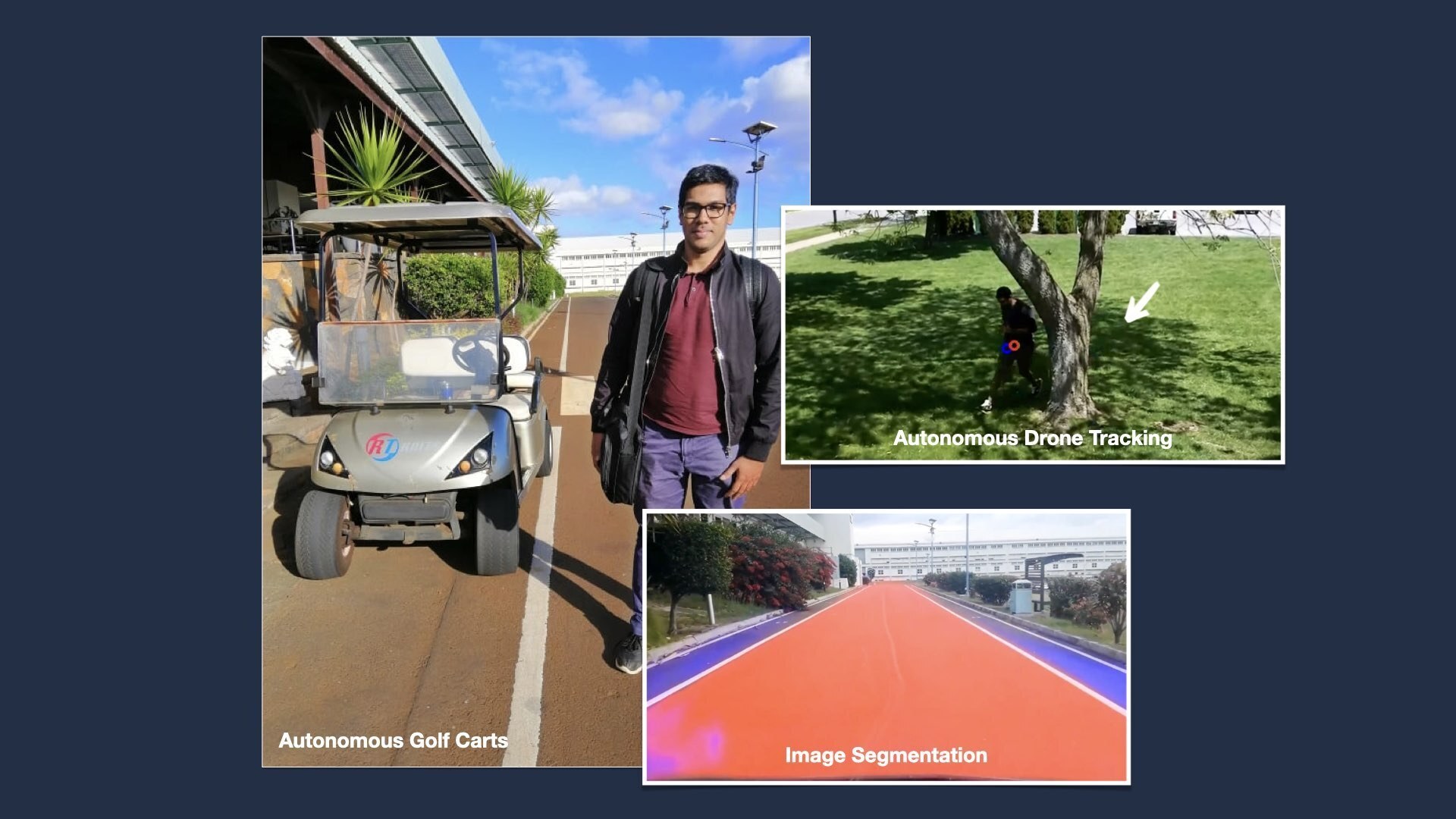
Image segmentation classifies every pixel of an image. It powers a long list of applications:
- Self-Driving Cars and Robotics
- Healthcare & Medical Imaging
- Satellite Imaging & Aerial Navigation
- Background Removal / Blurring
- and many more...
It's also one of the best ways to learn Deep Learning itself.
Computer Vision Engineers tend to plateau at one of 3 levels: Deep Learning, 3D, and Time. Most stay stuck at the Deep Learning level. They understand it, yet every new architecture feels like a new subject to learn from zero.
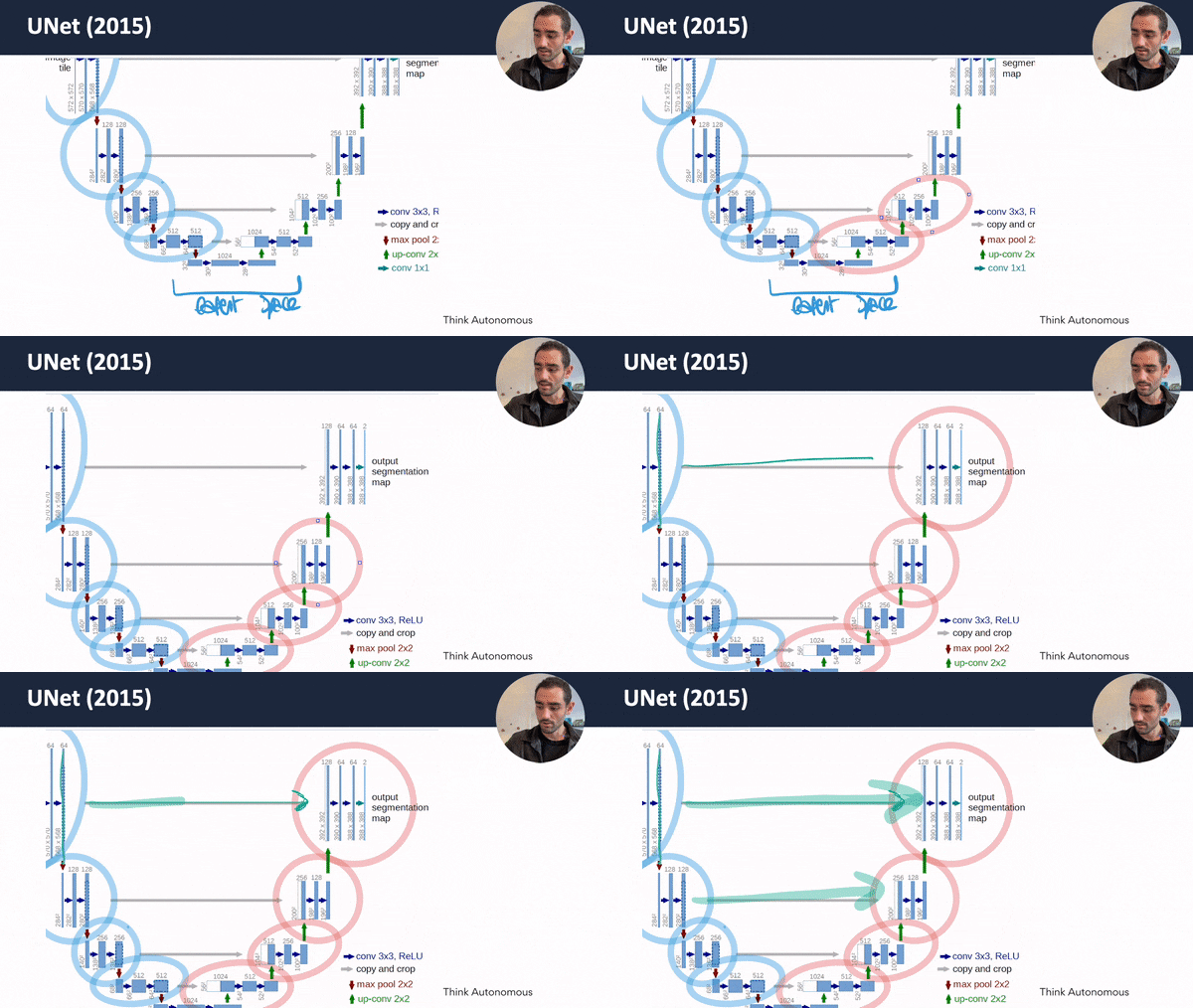
Segmentation is a good way out, because segmentation models use most of the blocks you'll meet in modern Deep Learning: encoders, decoders, skip connections, multi-scale context, attention. And many segmentation architectures are reused for other Computer Vision tasks.
New papers rarely start from zero
You can watch videos, follow tutorials, or spend hours on a paper until it clicks. It works, but you pay that cost again with every release.
Most research papers combine existing blocks in a better way. Take DeepLabv3+, one of the architectures we build in the course. It's an encoder-decoder that adds Atrous Convolutions and a Spatial Pyramid Pooling module.
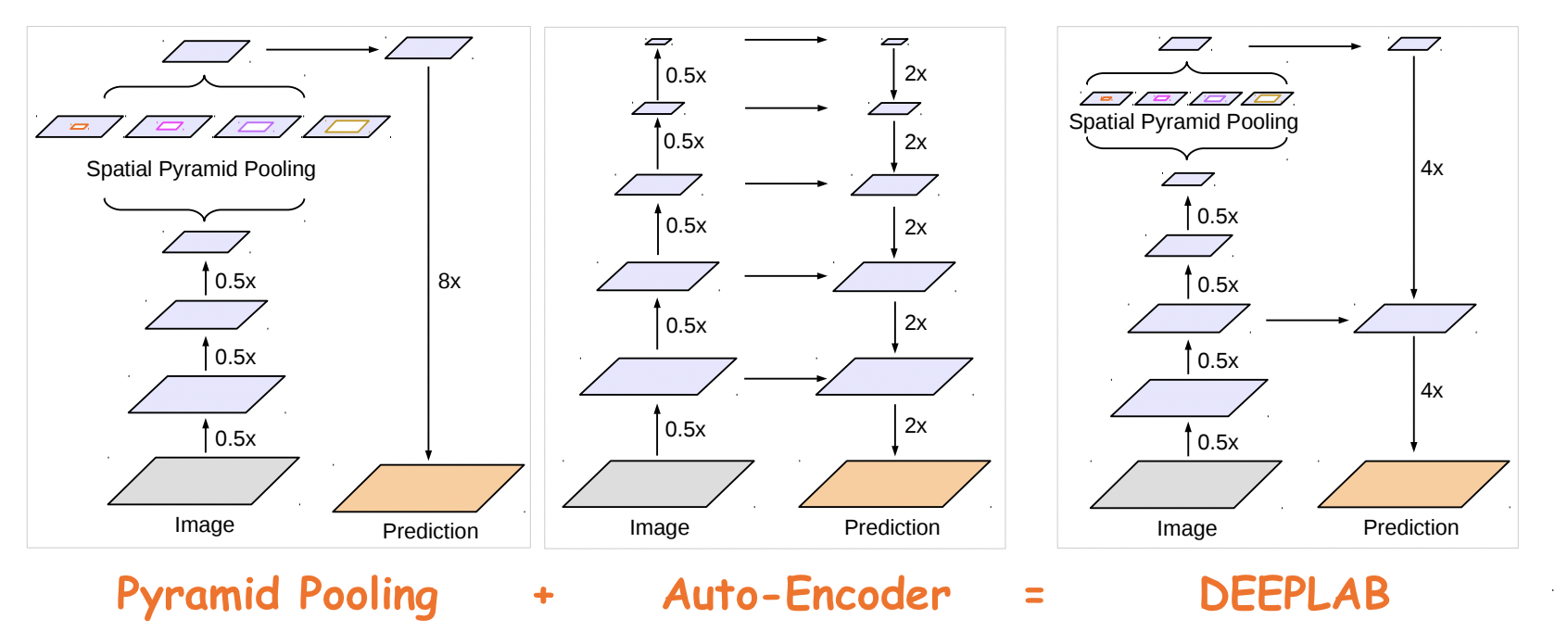
Put segmentation models side by side, from the classics to today's foundation models, and the same blocks keep coming back:
Pick a block to see where it's used
You build these in the course
Recent models you can then read
dashed the part that's new in the paper, the only part left to study
So rather than learning architectures one by one, learn to engineer the blocks
You already did it with activation functions.
You learned how the most used ones work, and now you understand any paper that mentions "ReLU" or "Sigmoid".
You did it with Convolutions too.
You learned about strides, pooling, maybe residual blocks, and now a paper that stacks convolutions with a stride of 2 reads easily.
This course does the same at a larger scale, with blocks. Once you know how they combine, a new architecture becomes a known set of blocks plus the part that's new, and that's the part you study.
The same skills apply to perception for autonomous robots, medical imaging, aerial mapping, or your own background removal software.
New architectures keep coming out, including Transformer-based ones. They are still assembled from blocks.
Let's see the program.