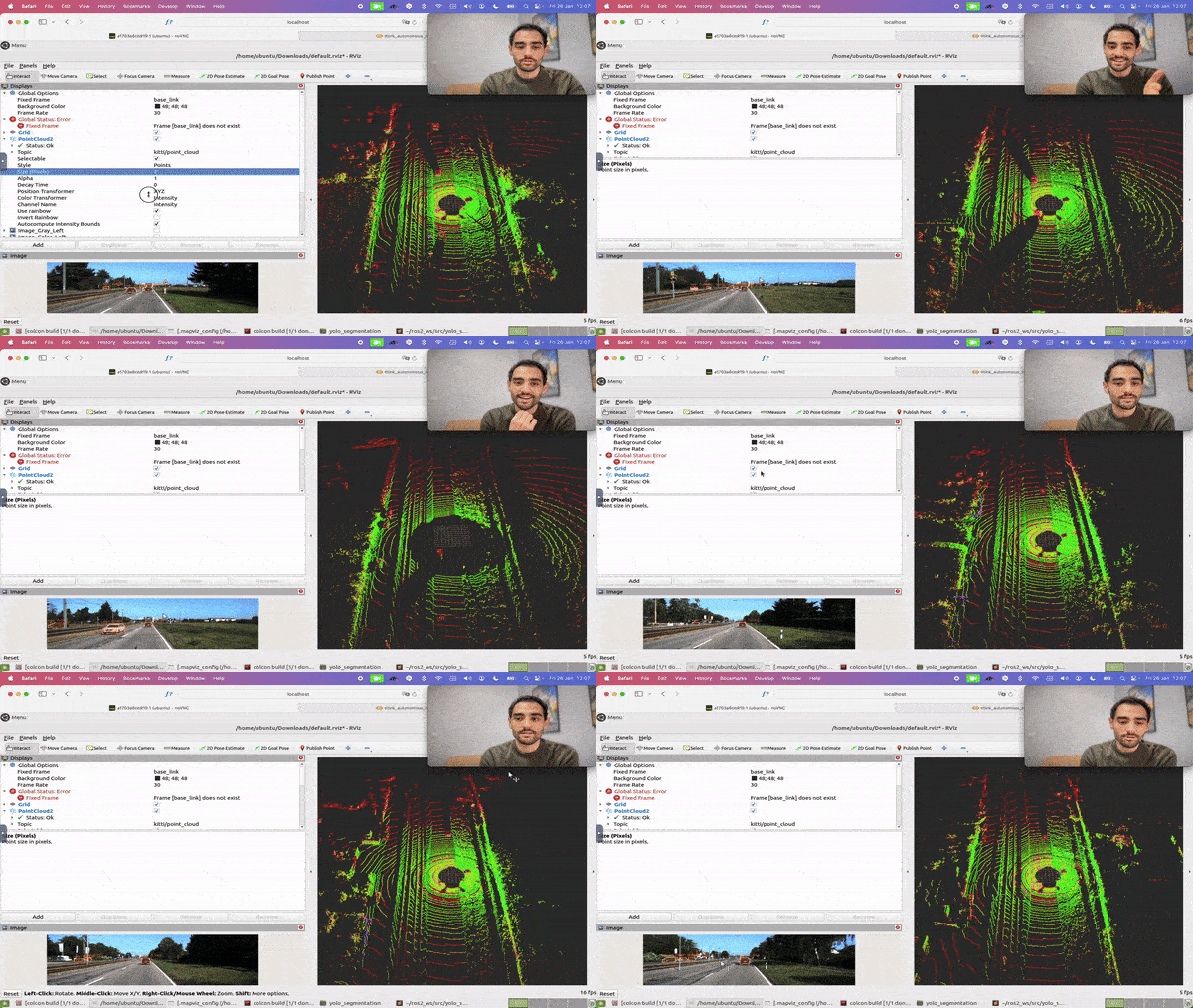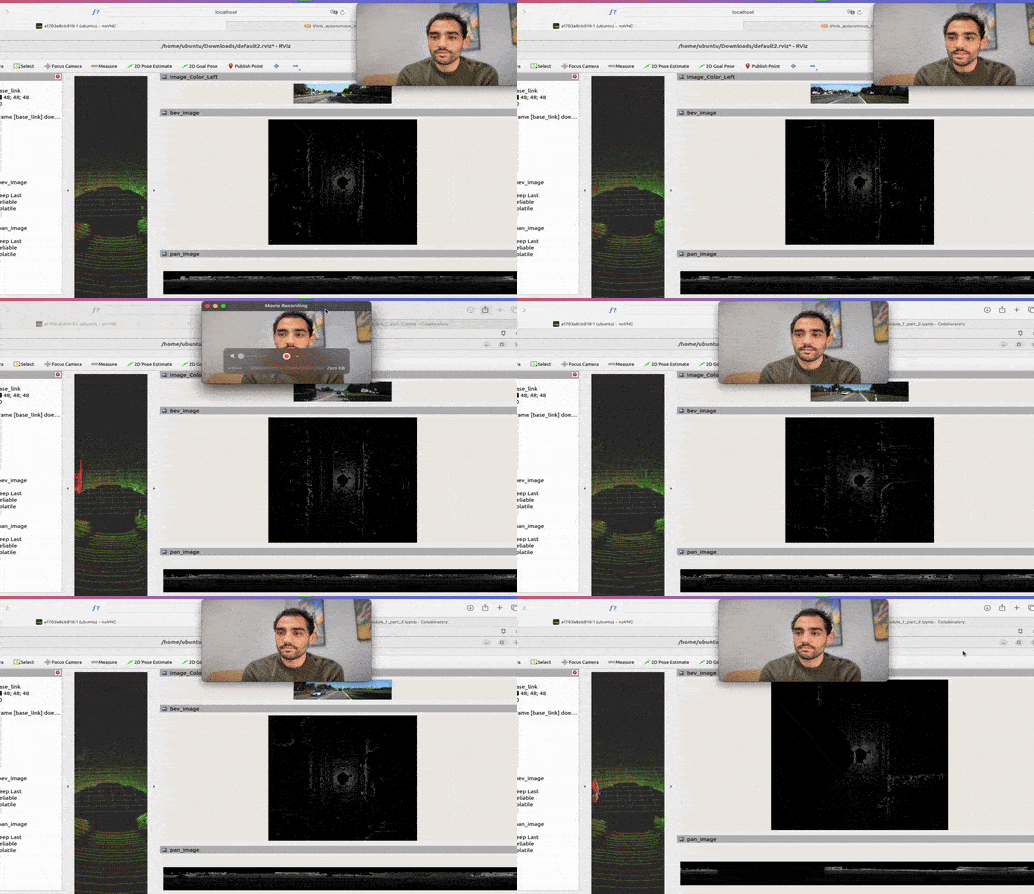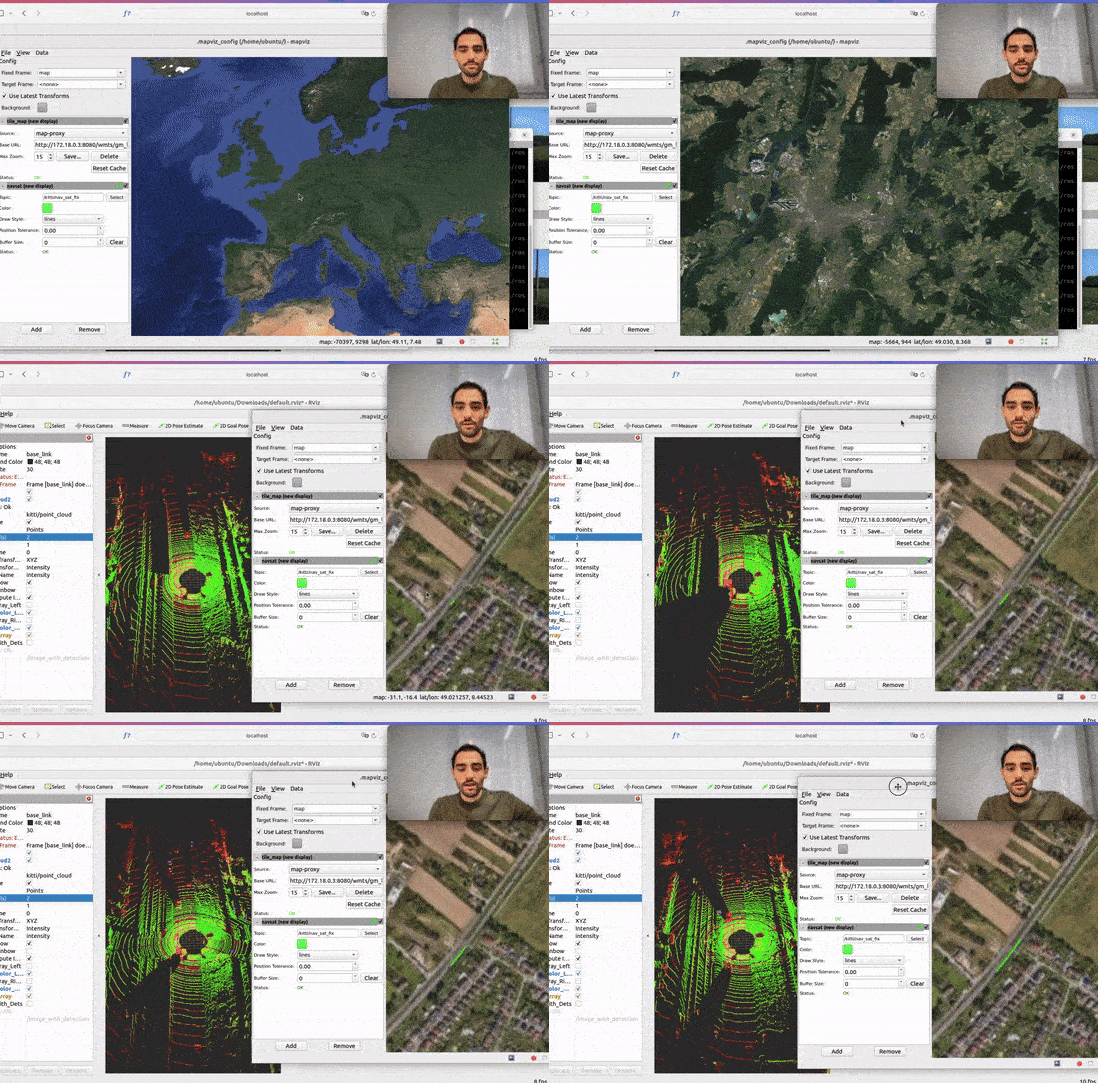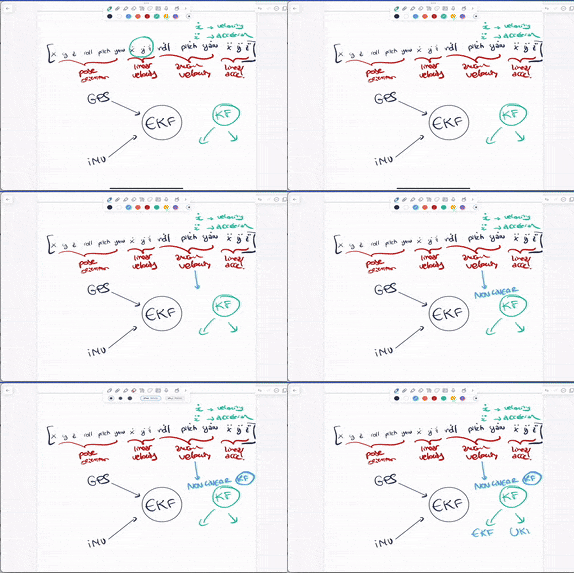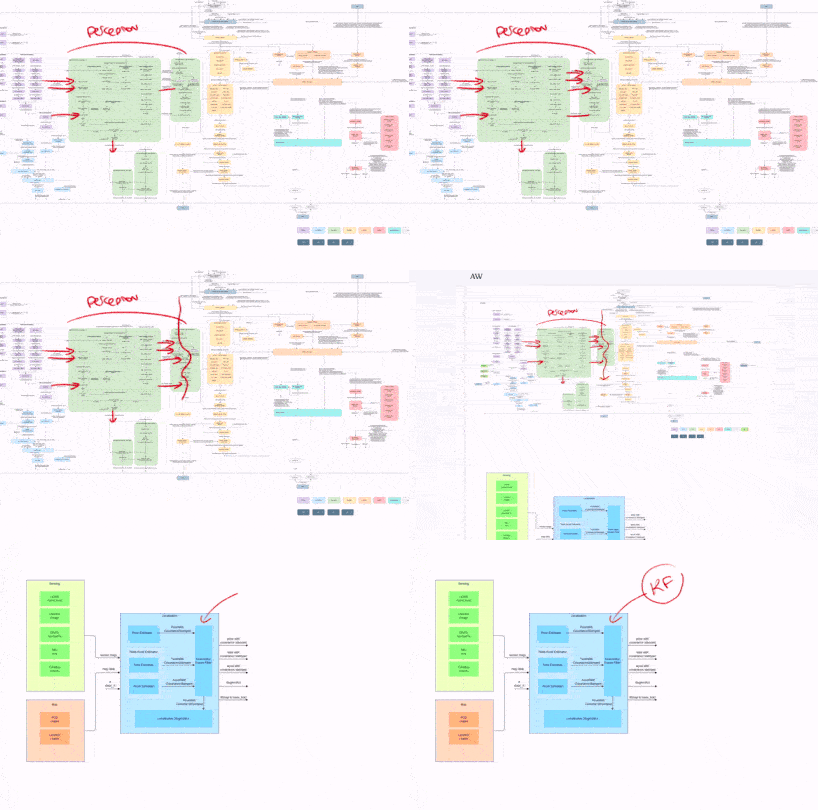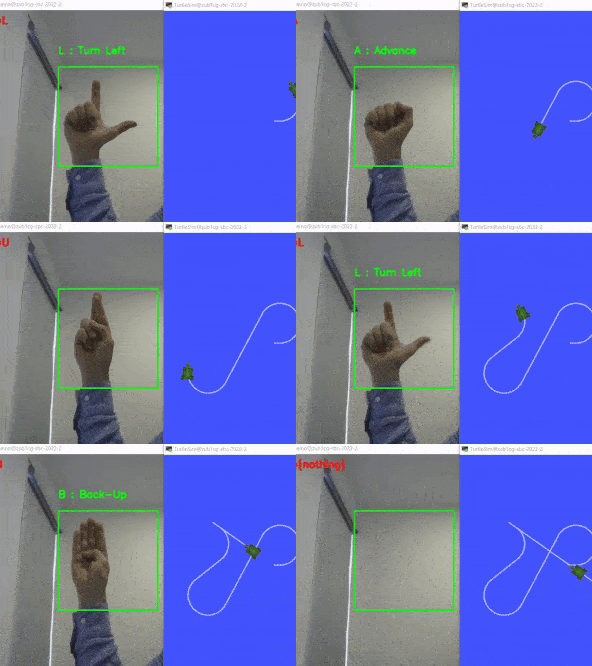
If you want to work on self-driving cars, you're gonna have to realize that...
"SELF-DRIVING CARS AIN'T BUILT ON JUPYTER NOTEBOOKS!"
Dear Engineer, if you want to learn the one skill that will help you connect with real self-driving car and autonomous tech companies, then this page will show you how...
Here's a quick story to kick things off:
A few years ago, I was living my last week in a company. As it was often the case, I had mixed feelings of anticipation for the future, and nostalgia of closing an existing chapter. I wanted to look forward, and my future was promising: I was going to become a self-driving car engineer. Yet, something bothered me with what I was leaving behind...
"What will happen to my code?" I asked.
"Is anyone going to maintain it? Do you need me to write documentation? Is there anything I can do to facilitate the transition? I could write someth—"
— "Oh, you can leave your computer to the IT. They'll reset it."
And this phrase was all it took for me to understand that after these hours of work, these months of meetings, projects, debugging, presentation, etc... wouldn't be continued... they would simply delete the whole thing!
All of it, simply erased from existence.
But as this chapter closed, a new one opened: self-driving cars. I was now in an intense learning of Computer Vision, Sensor Fusion, and AI algorithms for self-driving cars. I was just a few months in, but was already feeling like my work would have an impact, and that my skills would be useful not just to one company at one point in time, but to hundreds, thousands, and maybe tens of thousands of people for generations.
Yet, despite my excitement, and after many interviews, I couldn't find a job. I was just not ready yet. Each interview made me feel more like a "rookie". In some of them, I was literally taking notes, learning from their managers how self-driving cars worked. I couldn't help but notice a massive gap between what I was trying to learn and the reality of the field.
For example, unlike what I thought, I learned that Object Detection was not done in 2D, but in 3D. Sensor Fusion was not done late, but early. Localization was not done via Particle Filters, but via Extended Kalman Filters. Full-frame Segmentation was not really used.
And even bigger? The one thing that connects them all is that...
Self-Driving Cars are not just algorithms built on Jupyter Notebooks. They're living systems built with Robotic OS (ROS).
This is possibly the biggest takeaway I got from all these interviews. They all had this in common: ROS. It was the common requirement for joining the field. If I wanted to have this kind of impact, I had to learn the rules of the game, and ROS was part of it. Looking back, the period I got my job as a self-driving car engineer was essentially right after I started to build ROS projects — not just show a detection algorithm, but a complete system.
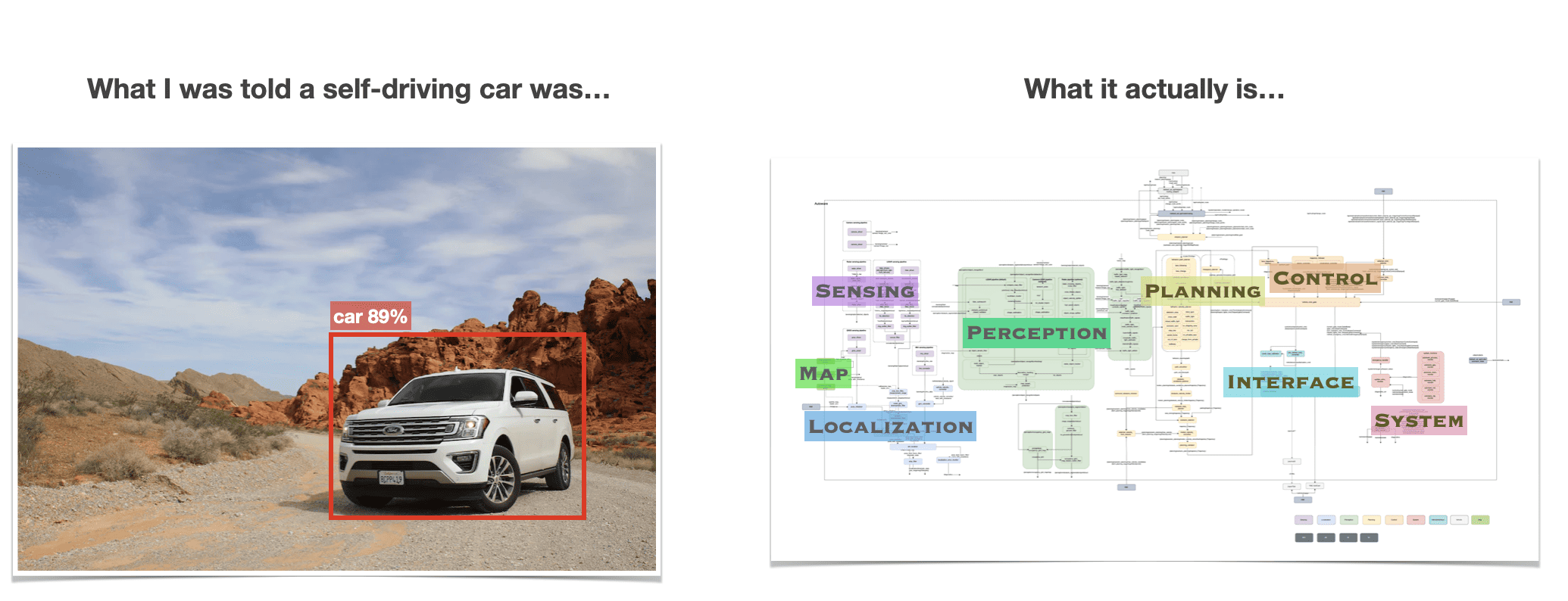
This diagram on the right is from an open source self-driving car foundation called Autoware. I had the pleasure to meet them in late 2023, and I was amazed by their system, elegantly built with ROS2.
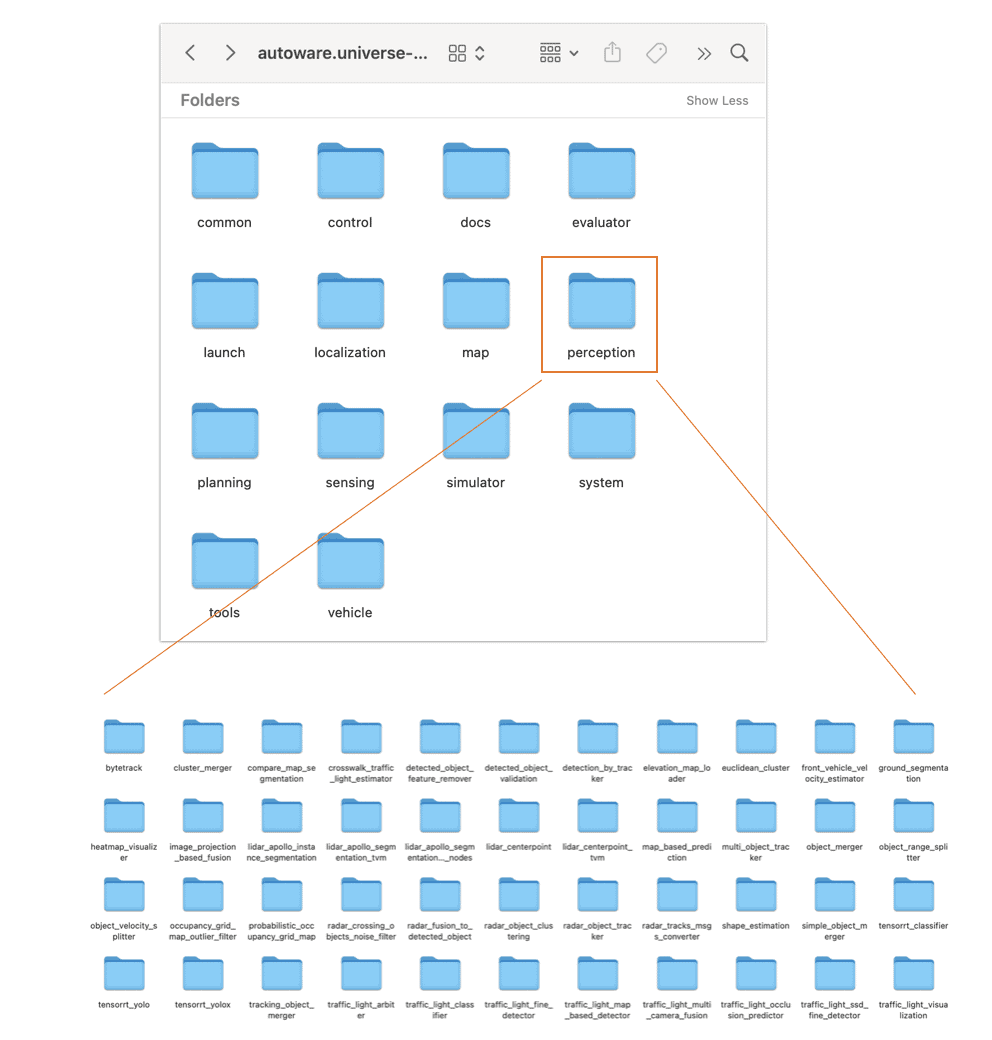
I want you to understand this kind of diagram, and more than this, build the skill of integrating your algorithms to this system...
Notice all these folders? They each correspond to a brick of a self-driving car software. We have the Perception, Localization, Mapping, Planning, Control, Sensing, Simulation, and more...
But they aren't just pieces of code — they are pieces of code integrated with the system.
And this is, I think, one of the biggest skill you can build: integration of code in a system. Not only it's a mandatory skill for a self-driving car engineer, but it's also helping you see the bigger picture, more like a CTO — rather than an engineer working on one program.
Self-Driving Cars are however complex systems.
How do you connect your cameras to your detector? How do you make your algorithm communicate with other nodes? How do you synchronize sensors? How do you get that LiDAR to be fused with a GPS? Is ROS the only skill you should build? Is it ROS 1 or ROS 2? What part of ROS are self-driving cars really using?
You see, you could learn about ROS, but there is ROS, and ROS for self-driving cars. Because a self-driving car also has real-time issues. Security concerns. A quality of service it must honor. And more than this, some companies work with other middlewares than ROS. Some engineers use lower-level systems. Which system? How?
It took me years to get a good idea of how to answer these questions — and frankly, I'm still constantly learning about them. Back in 2020, I created a course on ROS that helped many engineers "connect" with the field by its relevancy, and by not just being about ROS, but about ROS for self-driving cars.
Today, after years have passed, it's time for an incredible revamp, a v2, that would not only teach you about ROS, but also teach you more in-depth knowledge I learned from the field about architectures, systems, and how real self-driving cars are built...