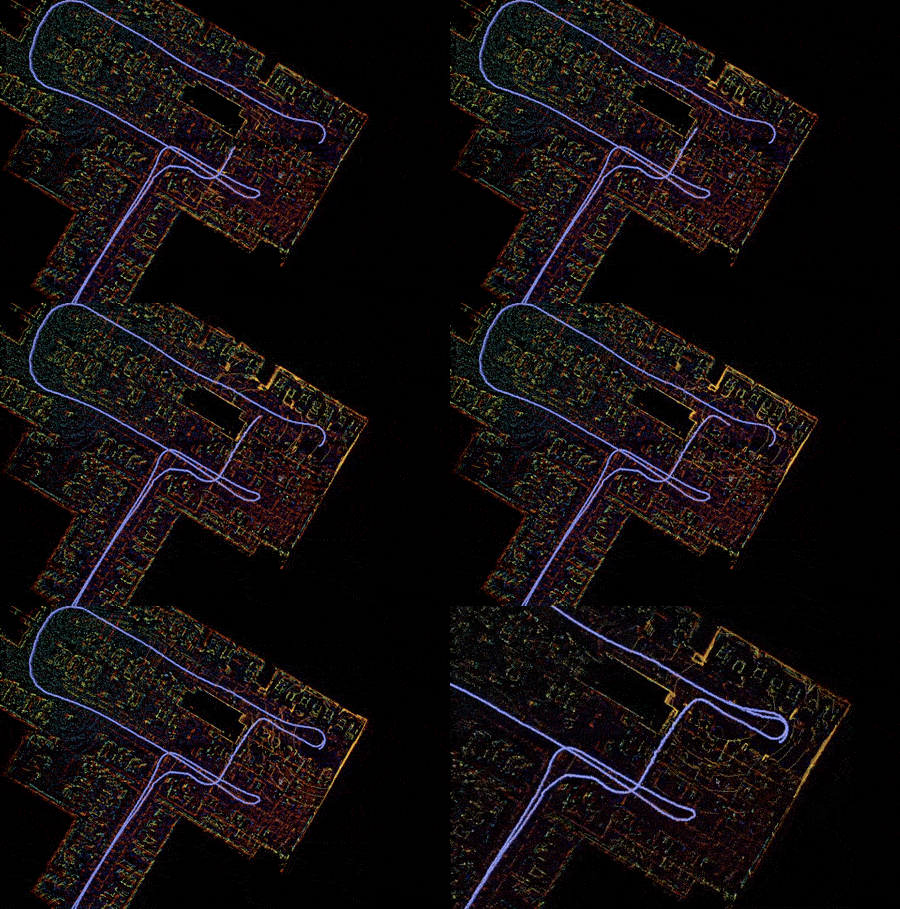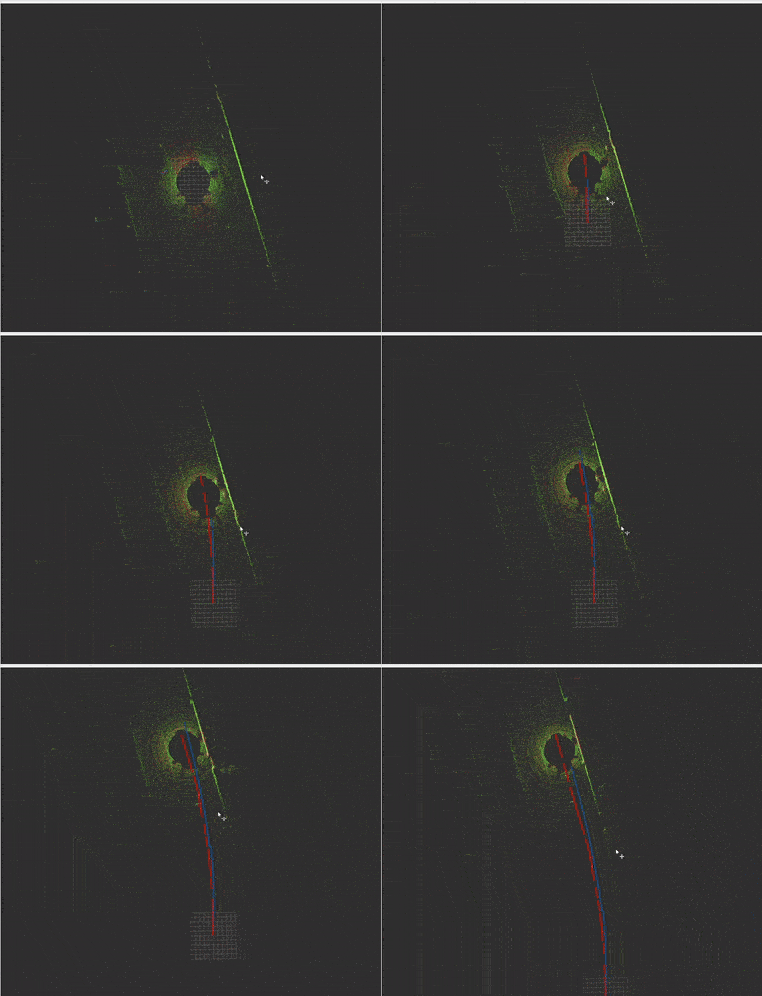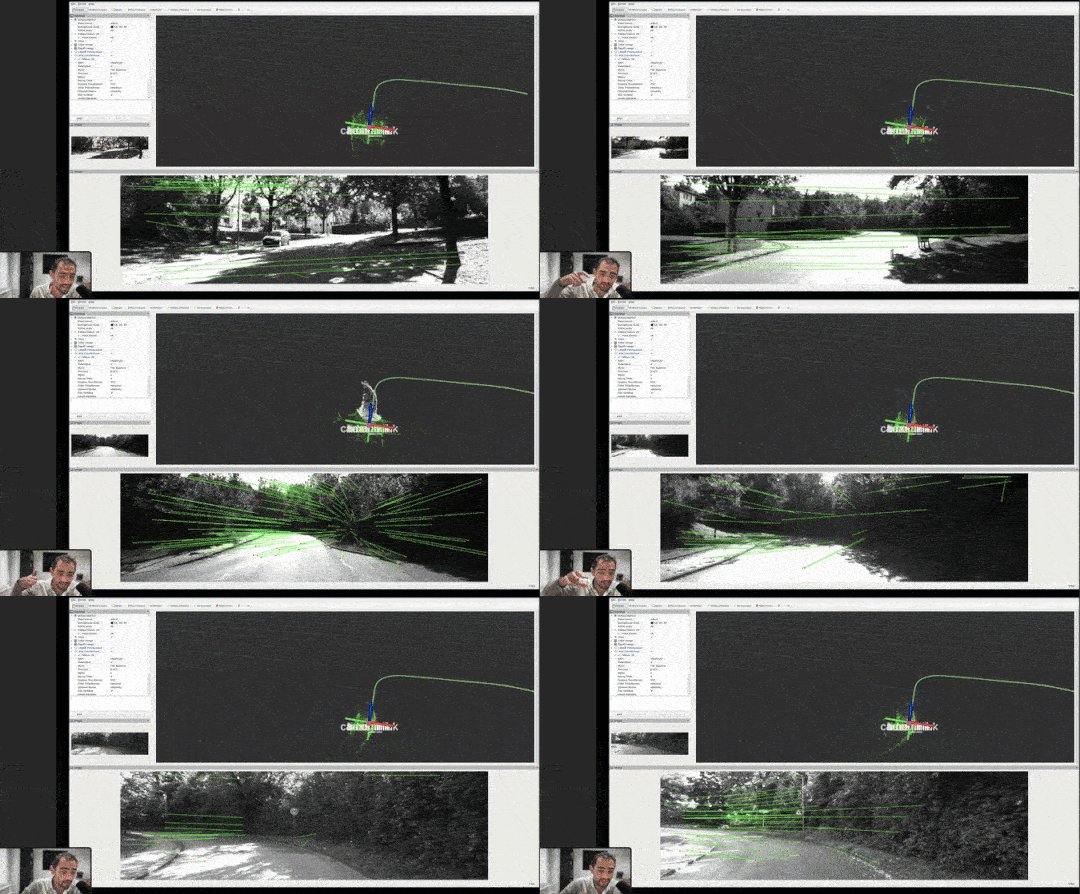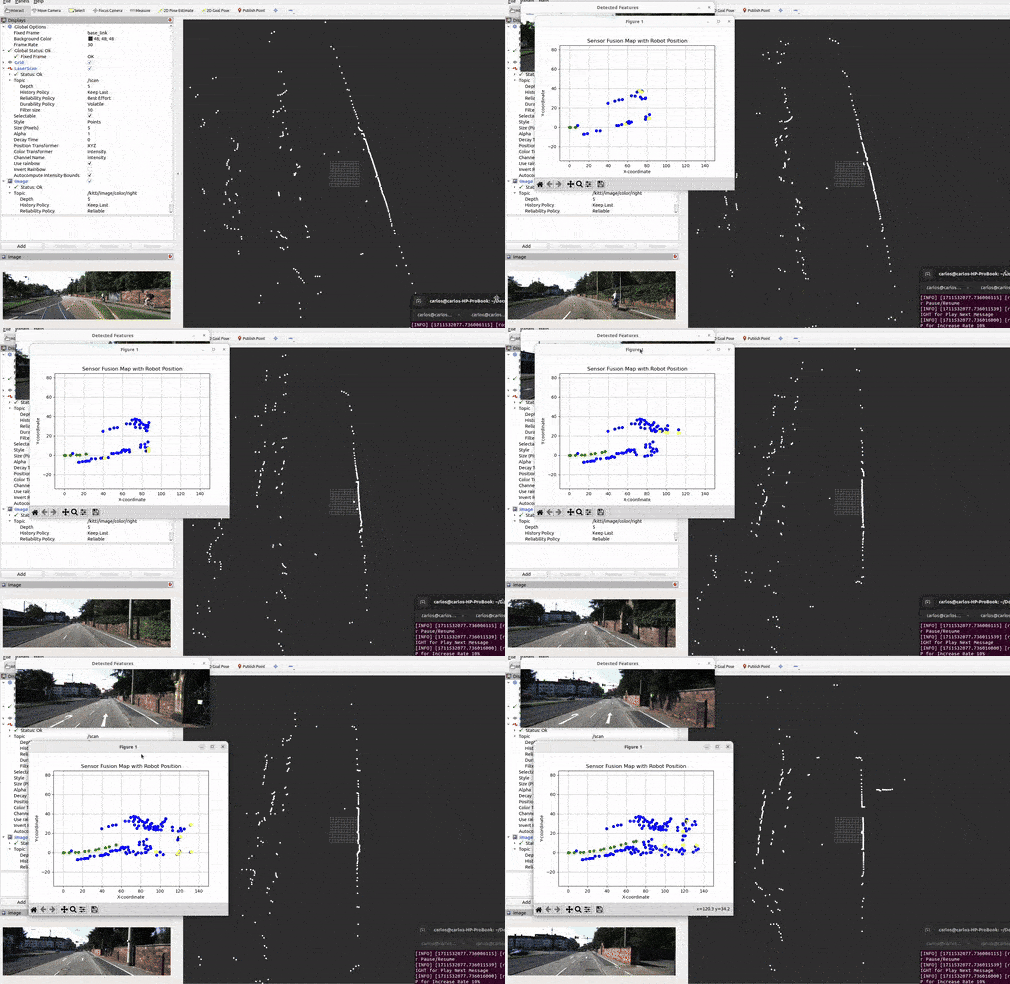
Did you ever wonder...?
What is ONE good place to build brutal SLAM skills... without feeling overwhelmed by the difficulty?
Dear friend, if you've spent some time looking for a resource to understand SLAM, then this page will show you how.
Here's the story:
Back in 2018, as I was working on Computer Vision for autonomous shuttles, I set a really ambitious challenge for myself: to learn about SLAM!
It was really exciting, and I was excited, but there was a big difficulty I didn't estimate...
The education market wasn't ready.
I mean, have you ever tried to learn about SLAM? To code some SLAM projects? To build intuition on how the maps are created? To put algorithms inside boxes? To get a clear picture of the different approaches?
It's really hard...
I mean, just google "learn SLAM" or search on Reddit, and you'll see that the best advice looks like this:

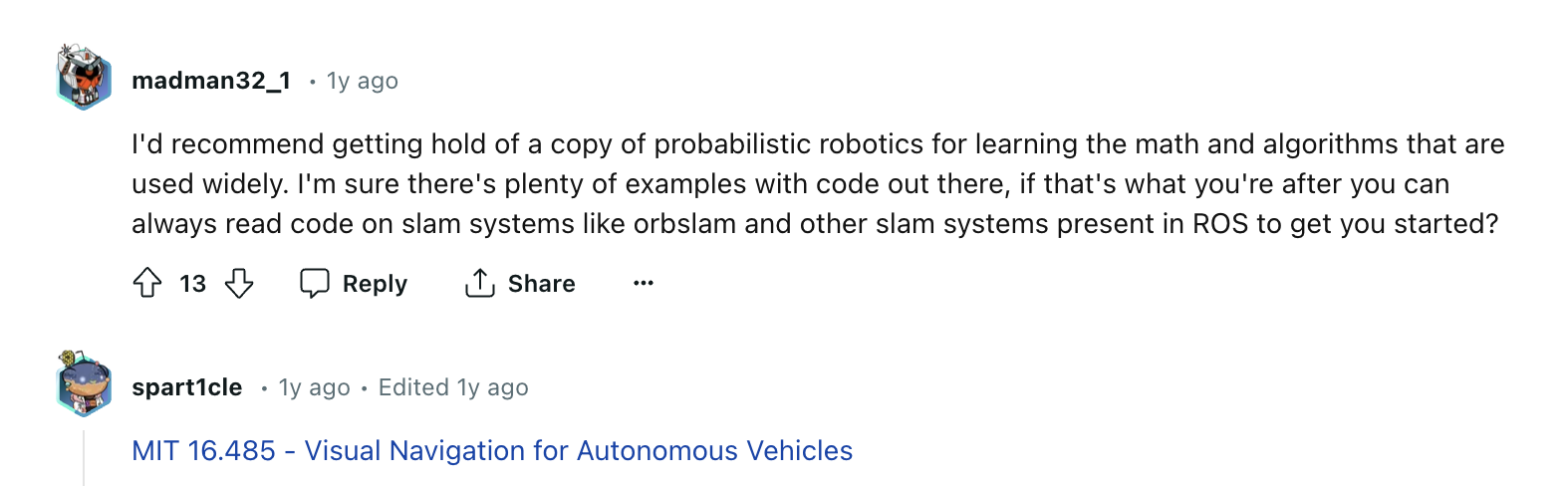
Which contains 33 lectures and PDFs of HOURS at MIT level...
And this:
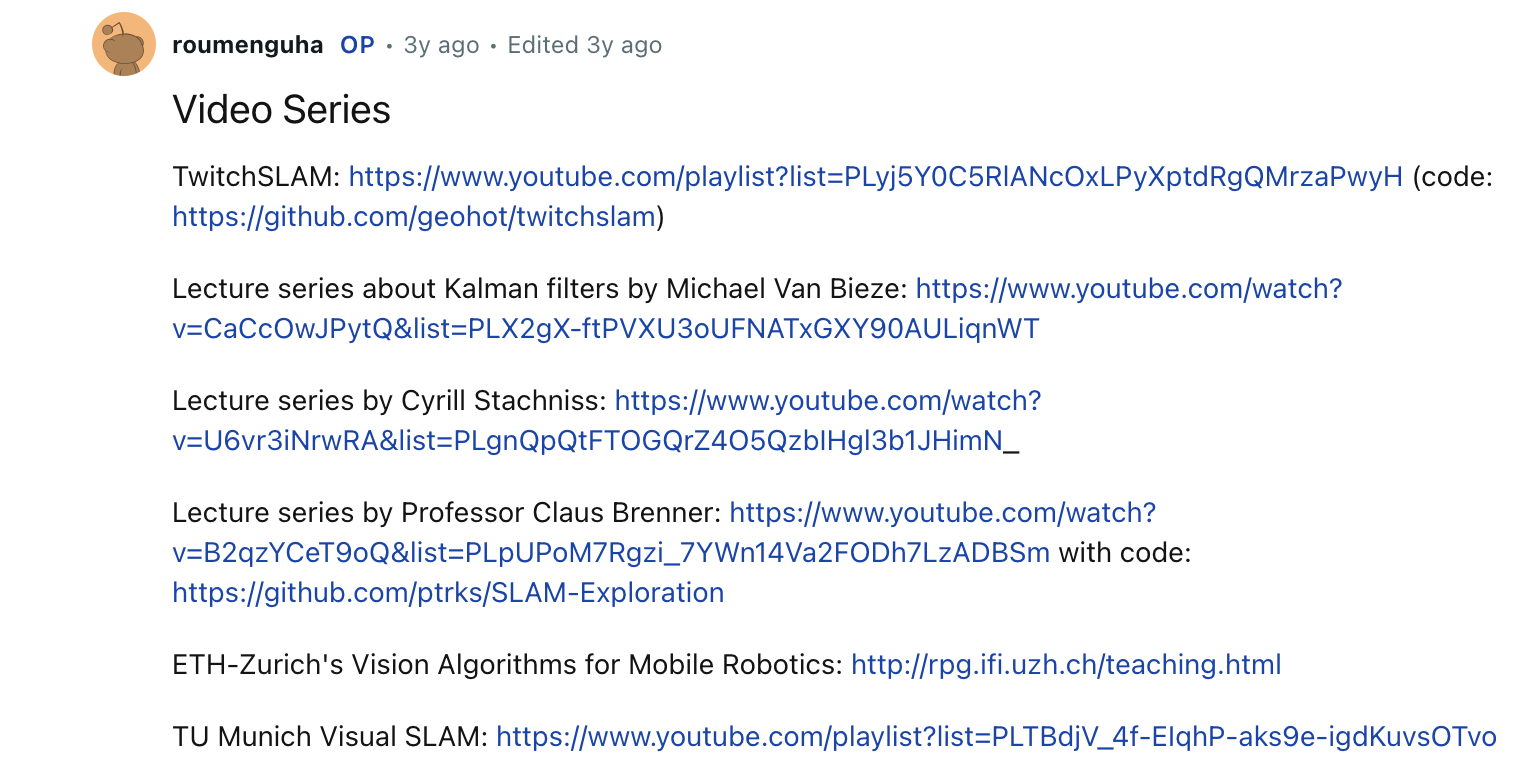
Which references YouTube playlists teaching SLAM. Go to the first video of the first one, it's over 10 hours long. And you think the others are lighter? Yeah, maybe, but you'd still need to invest 50+ hours, passively watching video lectures on YouTube and trying to "understand" atrocious maths.
Sure, there are "textbooks", like these ones:
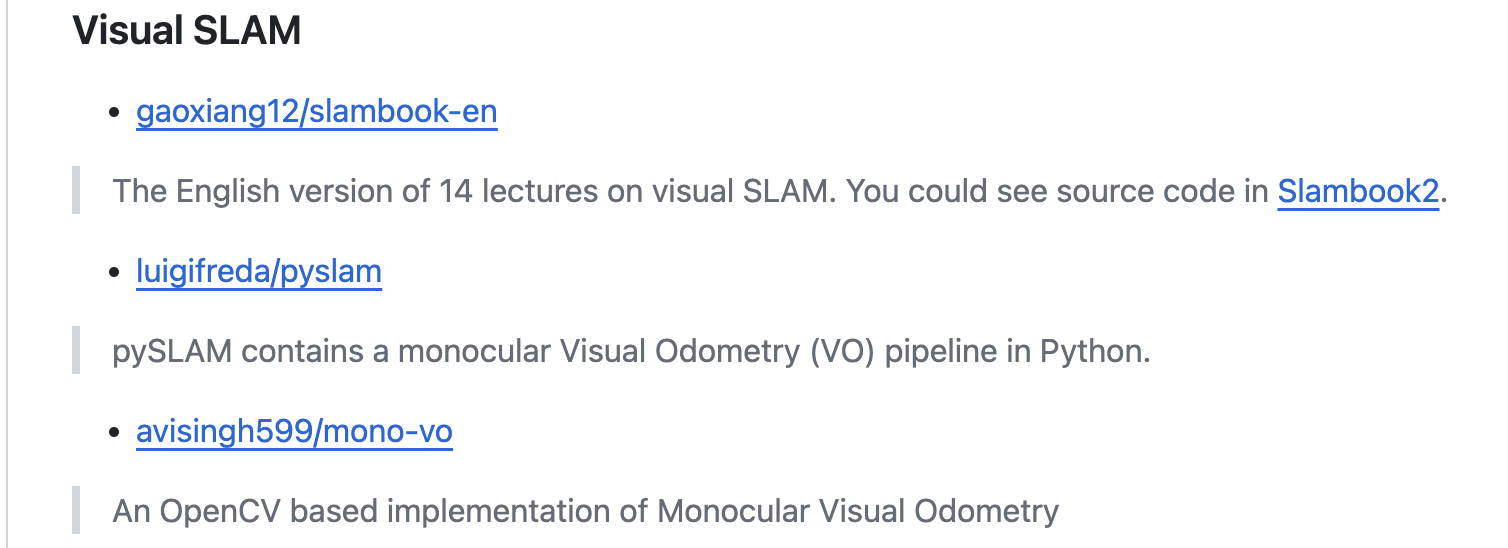
But when you open them, they look like this:
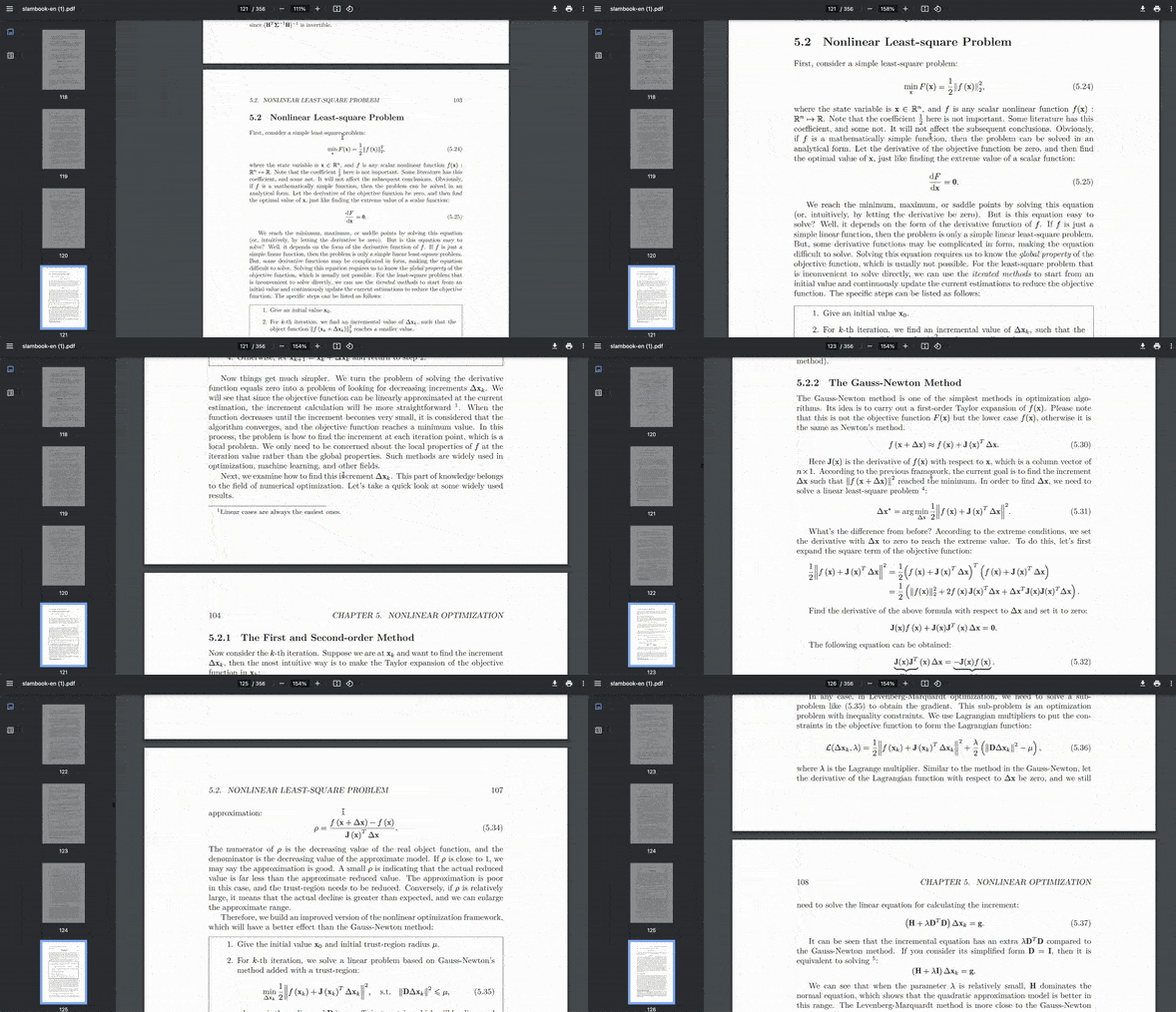
Just what you need right? A 400+ page PDF full of maths and code, and a 40+ hour YouTube series showing you the same maths and code.
Isn't it ideal?
NO!
I mean, to be fair, these resources truly are great. Many are well written, and some teachers are really experts at what they're teaching, far more than I could ever be.
BUT
This type of content is not for everybody...
What about nice images and pictures? What about a story with a dinosaur trying to map a world? What about something oriented to beginners?
YES! There ARE online courses on SLAM, with videos and nice graphs, BUT...
I saw two problems with these courses:
- You get out of it still wondering what is SLAM, and still thinking "compared to a REAL SLAM Engineer or researchers, I merely scratched the surface"
- The projects are really bad.
I mean, if you are to work on autonomous vehicles, you'll need to code real projects, not THIS:
YES! I know that there ARE online courses teaching SLAM, with videos and nice graphs, BUT...
Is the teaching giving a good understanding of SLAM? or do you get out of it feeling like you've only scratched the surface? Are the projects really relevant for a self-driving car engineer?
If you are to be a Self-Driving Car Engineer, or a 3D Computer Vision Engineer, or a SLAM Engineer, you're gonna need to build a portfolio project yourself (not just cloning a repo and running it), and you're gonna need to fully understand your topic...
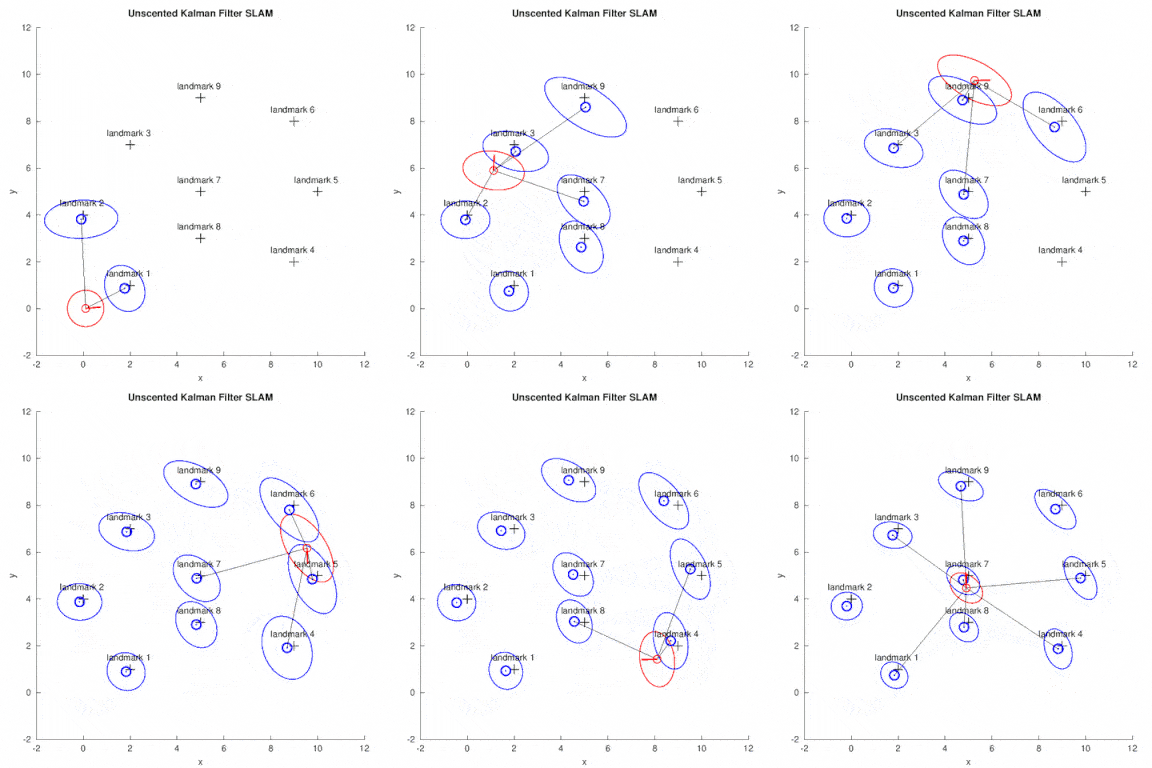
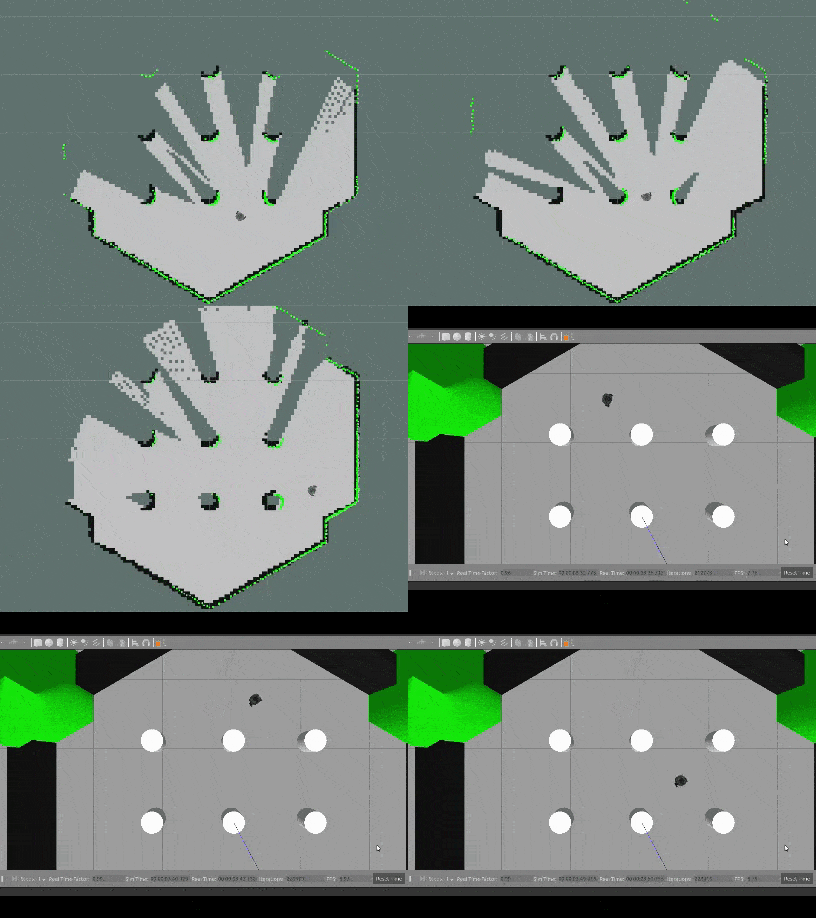
And this is where it's starting to get difficult, because the alternative is to clone a state of the art SLAM algorithm, run it, and... not understanding a clue of what's happening...
It's either too simple, or suddenly too complex.
And this is, I think a big problem, because it means that there is no easy and short solution to learn SLAM.
You're either going through the endless video lectures, watching people talking over maths and maths and maths for hours... Or you're going to the super simple Python script with a plot, and that doesn't make you a SLAM Engineer.
So there are 3 core problems:
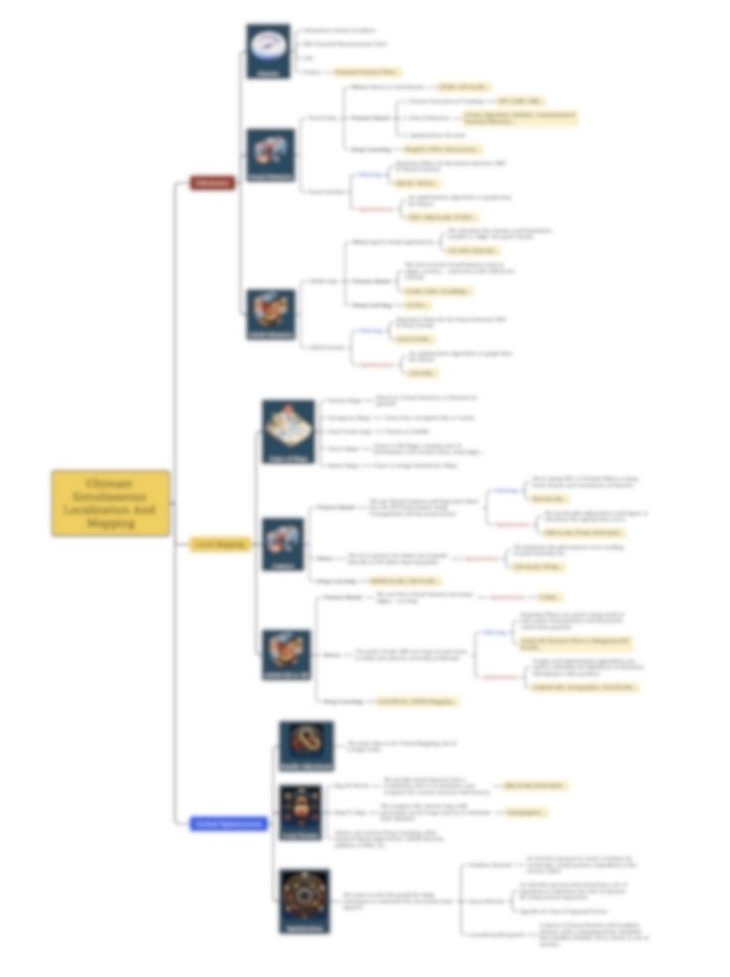
- The overview: Are you able to do some kind of mindmap of the SLAM algorithms? For most engineers, the answer is no...
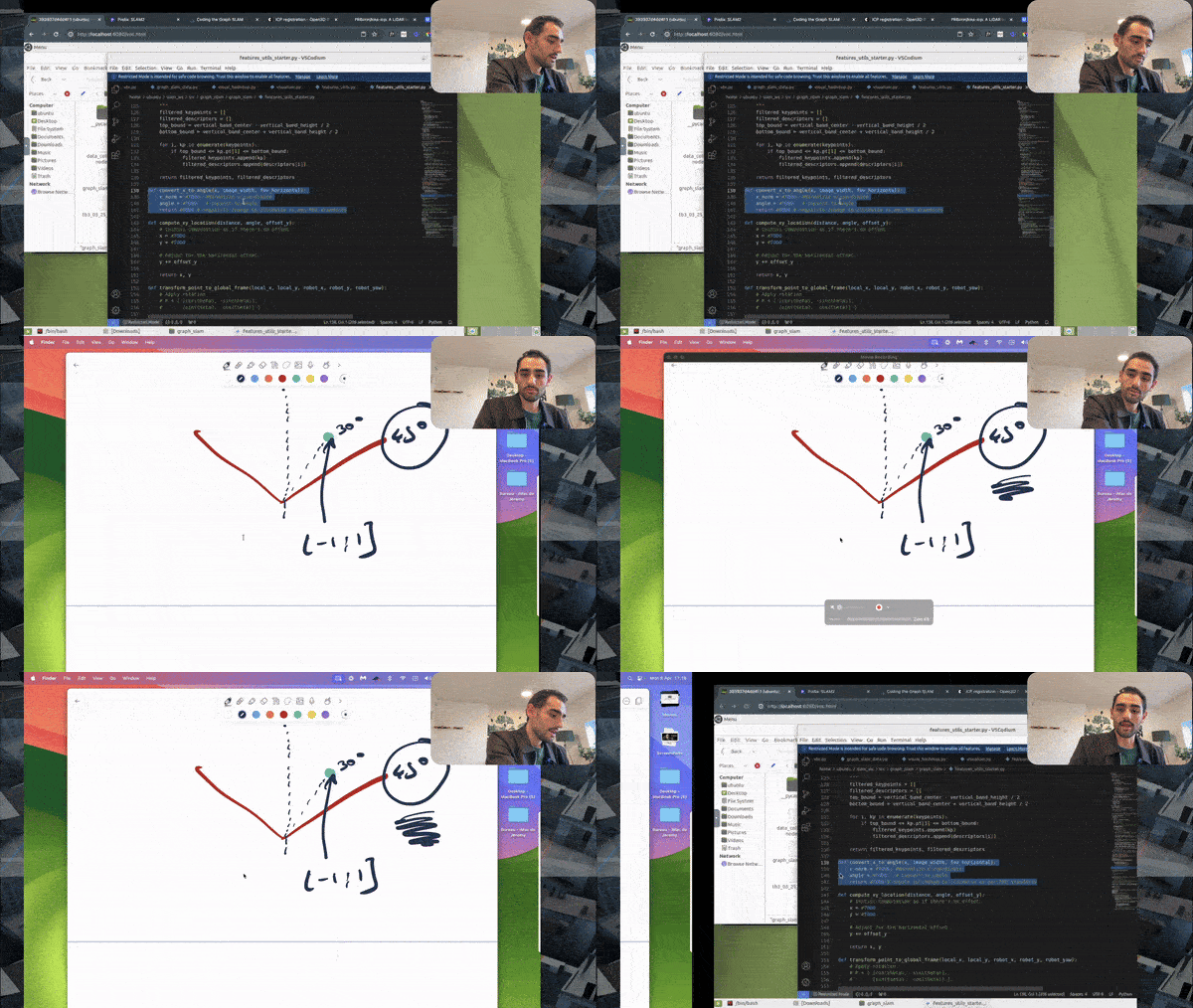
- The lessons: Is there a simple lesson explaining topics like Graph SLAM? Or topics like Odometry? Not really...
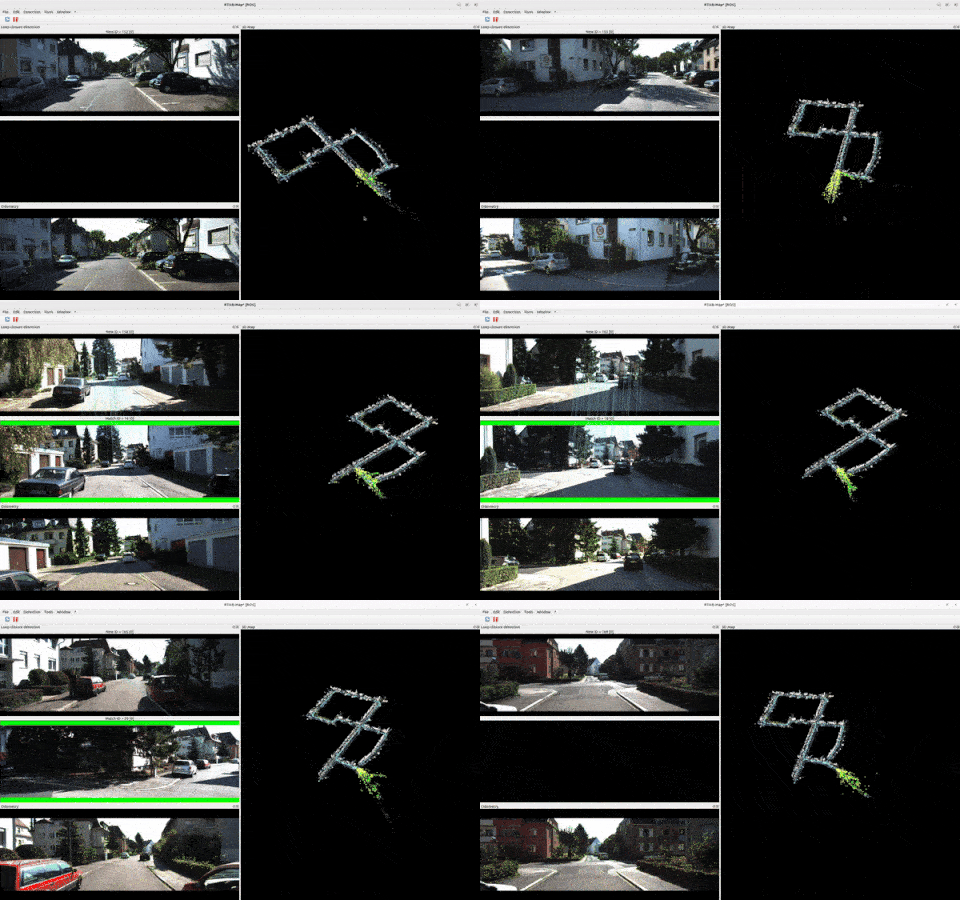
- The projects: Could you load a self-driving car "bag" and then start coding odometry? Then code your own mapping and optimization system? It's difficult to find a place for this...
In 2021, I tried the challenging task of teaching SLAM...
And I created "THE GRAND SLAM" which was my first time teaching SLAM. But after 3+ years of feedback, I understood some of the gaps I needed to fill, such as the projects, or the overview, to come up with...
What could possibly be the best SLAM course you'll ever take!
And I know that this claim is bold, and my goal is NOT to be an alternative to the 30h+ video lectures on YouTube...
-> It's to teach SLAM for Engineers rather than for researchers. This means fewer maths and more code. And if after the course, you're able to code a SLAM system and want to spend the 50 hours doing the maths, then be my guest. It will only enhance your knowledge, but this shouldn't be the only alternative you got...